The ultimate guide to choosing a bird bath: 3 tips on how to attract birds.

Birds are the most vibrant and beautiful visitors to a garden, adding life and promoting a healthy ecological cycle. However, many beginners focus only on the appearance or materials when setting up a bird bath , neglecting the choice of water depth. In fact, water depth is one of the key factors determining whether birds will use the bird bath . This article will delve into the importance of choosing the right bird bath depth, combining three scientific techniques to help you successfully attract birds to your garden and ensure that the bird bath truly fulfills its ecological purpose.
the bird bath so crucial?
Birds have very clear preferences when it comes to water. Different sizes of birds have different water depth requirements. Small birds usually prefer shallow water so that they can stand safely and preen their feathers, while large birds need slightly deeper water so that they can immerse themselves completely.
a bird bath in your garden , birds may not come at all if the water depth is not right.
When considering creating a suitable aquatic environment for birds, in addition to the key factor of water depth, the design of the water’s edge is equally important. A smooth, gently sloping edge provides birds with extremely safe and convenient conditions, allowing them to step into the water without worry and with ease, whether for drinking or simple bathing.
Conversely, if the edge of the water is steep or has sharp edges, it will be an insurmountable obstacle for birds, making them afraid and deterring them from approaching the water.
In addition, the water temperature and the materials used in the water area have a significant impact on the bird’s experience when using the pool . Materials such as ceramic, stone, or thick resin have excellent water temperature regulation properties. In the hot summer, they can absorb some heat to prevent the water from getting too hot; while in the cold winter, they can also play a role in heat preservation to prevent the water temperature from getting too cold.
This ensures that birds can comfortably use the pool in different seasons . However, while plastic is lightweight and easy to move and set up, it has high thermal conductivity and its temperature changes very quickly. When the temperature is high, the plastic surface heats up rapidly, causing the water temperature to rise as well; conversely, when the temperature is low, it cools down quickly. This could make birds uncomfortable when in contact with the water, thus affecting their willingness to use the water area.
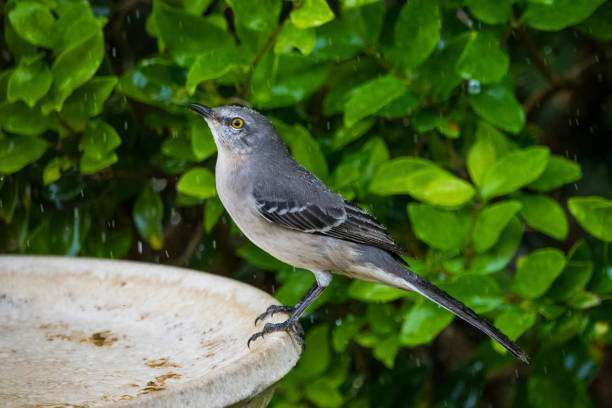
Tip 1: Adjust water depth according to bird size
a bird bath should first be adjusted according to the size of the birds commonly found in the garden. Small birds such as sparrows, tits, and orioles prefer shallow water, generally 1 to 3 centimeters deep, allowing them to stand safely and easily preen their feathers. Medium-sized birds such as magpies or finches are suited to slightly deeper water, with a depth of about 4 to 6 centimeters meeting their bathing needs. Large birds such as crows and mynas require deeper water, typically 7 to 10 centimeters deep, so that they can fully immerse themselves for a thorough bath.
Observing the actual size and activity habits of birds in your garden can help you scientifically adjust the water depth, making the bird bath more suitable for their needs. A suitable water depth not only makes birds feel safe and comfortable, but also increases the time they spend staying and preening, thus increasing the frequency of their visits. At the same time, a suitable water depth can attract a wider variety of bird species, making the garden ecosystem more diverse.
Tip 2: Set multiple depths to accommodate different bird species
To accommodate birds of different sizes, a multi-level depth design can be considered for the bird bath . For example, a shallow bottom area is suitable for small birds to stand and bathe, a slightly deeper central area is suitable for medium-sized birds, and a deeper area at the edge or center is suitable for large birds. With this tiered design, different birds can choose the appropriate water area according to their needs, avoiding rejection caused by unsuitable water depths.
Layered design plays a significant role in enhancing the safety of bird baths. When small birds are active in the shallow water areas of a bird bath, they can quickly retreat to the shallow water or move to nearby bushes for cover if a predator stealthily approaches, thus effectively avoiding the threat of a predator.
For larger birds, the tiered design creates distinct spaces in the deeper areas of the bird bath, preventing them from disturbing smaller birds in the shallower areas. This clever tiered design not only significantly increases the frequency of bird bath usage, encouraging more birds to come to this safe and comfortable place, but also effectively reduces the likelihood of conflict when multiple bird species share the bird bath. By minimizing conflict, the overall ecosystem of the garden becomes more harmonious, allowing various bird species to coexist peacefully and find their place.
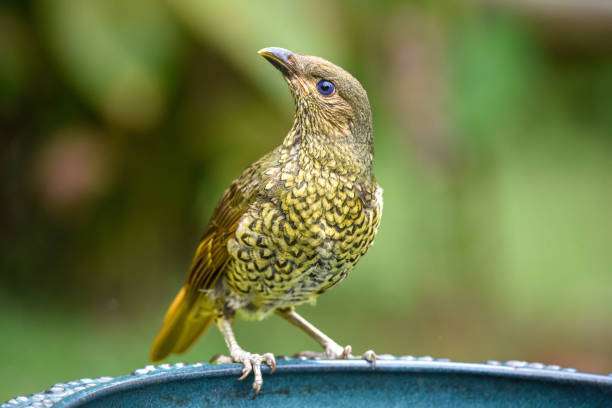
Tip 3: Adjust depth flexibly to cope with seasonal changes
Seasonal changes significantly impact bird behavior and needs. In summer, higher temperatures and faster evaporation lead to warmer water, causing birds to tend to seek out deeper waters for cooling. Conversely, lower winter temperatures cause shallow waters to freeze, making birds more likely to use deeper waters or areas near sunlight. Therefore, adjusting water depth appropriately according to the season ensures birds can comfortably enjoy their bird baths year-round .
In addition, seasonal changes also affect the number and species of birds. Spring and summer are the peak breeding and activity seasons for birds, with high frequency of visits, requiring an abundant water supply and suitable depth. In autumn and winter, bird activity decreases, but the water source still needs to be kept clean and of moderate depth to meet the occasional visit. Flexibly adjusting the water depth and combining it with routine maintenance can ensure that bird baths remain attractive throughout the year, encouraging birds to develop a long-term habit of returning.
Additional considerations for water depth selection
Besides size and season, water depth selection should also consider safety and comfort. Water that is too deep can be dangerous for small birds, while water that is too shallow cannot meet the bathing needs of larger birds. Birds are sensitive to changes in water temperature, especially in the strong sunlight of summer, where shallow water can heat up rapidly, potentially causing birds to avoid the water. Regularly monitoring water temperature and choosing suitable materials helps maintain a comfortable water temperature.
There are several aspects to consider when designing waterfront areas. For example, a gently sloping edge with an appropriate width provides birds with ideal conditions for safe entry into the water and easy exit when needed. Simultaneously, this design also provides birds with a stable foothold on the water’s edge.
In addition, the state of the water flow is also crucial. When the water flow is calm and there are no violent fluctuations, birds feel more at ease using the water. A steady current does not pose a sudden shock or danger, allowing them to move around more relaxed near the water.
By comprehensively considering and carefully designing these details, the bird bath serves more than just to attract birds. It also encourages birds to stay longer, playing, drinking, and preening. This increased bird time undoubtedly brings more interaction and vitality to the entire garden ecosystem. The birds’ activities make the garden more vibrant, creating a more harmonious and interesting ecological environment.
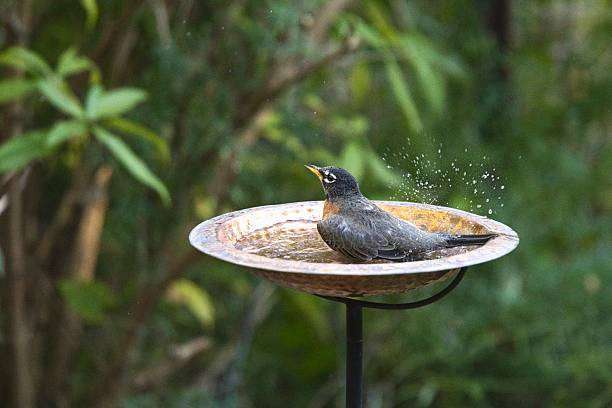
Bird bathing depth and ecological interaction
In garden planning and design, a well-planned water depth not only significantly impacts bird activity but also indirectly promotes the interaction and development of the entire garden ecosystem. Specifically, shallow water areas have a unique appeal, attracting numerous small birds. In these shallow areas, small birds bathe, happily preening their feathers, and drink to quench their thirst. During these daily bathing and drinking activities, they may unintentionally carry seeds and pollen. As these small birds move around and frequently flit through the garden, the seeds and pollen they carry are dispersed to every corner of the garden, thus promoting plant dispersal and reproduction.
The mid-to-deep water area is a favorite habitat for medium-sized birds, attracting large numbers of them. These birds are very active here, busily foraging for food. Their activity significantly increases predation pressure on insects. This helps maintain the insect population in the garden within a reasonable range, preventing the overpopulation of certain insects and thus effectively maintaining the balance of the garden’s ecosystem.
The deeper water area has a different kind of charm, mainly attracting large birds. When these large birds are active in the deeper water, their size and hunting abilities help control the populations of certain insects or small animals in the garden. For those insects or small animals that might multiply uncontrollably in the garden, large birds act like “ecological police,” ensuring that they do not reproduce and grow uncontrollably.
Overall, by scientifically selecting and carefully adjusting the depth of bird baths, a virtuous cycle can be formed in the garden’s ecosystem. Under the influence of this virtuous cycle, the biodiversity in the garden will significantly increase. In this way, every visit by birds will have a positive impact on the garden’s ecosystem, making the garden’s ecological environment more harmonious, stable, and prosperous.
Conclusion
your bird bath is crucial for attracting birds. By adjusting the water depth according to bird size, creating multiple depths to meet the needs of different bird species, and adapting to seasonal changes, you can make your bird bath appealing year-round. Appropriate water depth not only ensures the safety and comfort of birds but also promotes ecological interaction in the garden, fostering a natural balance among different birds, insects, and plants.
Master these three techniques, and your birdbath will become the ecological heart of your garden, attracting frequent bird visits and filling your garden with vitality and natural harmony. Scientific planning and meticulous maintenance will ensure that every bird visit becomes a beautiful moment to appreciate nature, adding boundless life and charm to your garden.
FAQ
1. Do birds remember a “safe bird bath”?
Yes. Once they feel safe, birds will visit repeatedly, and may even bring companions.
2. Is the rim width of the bird bath important?
Very important. A suitable rim width allows birds to stand steadily and increases the time they stay.