How to determine if a bird bath is “designed for birds”: 7 key details you shouldn’t overlook.

Bird baths are not just decorations in gardens, but also important tools for attracting birds and enriching the ecosystem. However, many so-called ” bird baths ” on the market are not actually designed for birds; they may only focus on appearance while ignoring the actual needs of birds.
Placing such a bird bath might completely deter birds, wasting the garden owner’s effort. To ensure a bird bath is truly suitable for birds, seven key details need to be considered to determine its scientific validity. These details cover safety, comfort, operability, and ecological adaptability. Combining principles of avian behavior and ecology can help garden owners scientifically select and arrange bird baths , improving their utilization and ecological value.
Bird bath capacity and water depth
Birds have very strict requirements regarding water depth when engaging in their daily activities of drinking and bathing. If the water is too deep, smaller birds may experience significant insecurity and greatly increase their risk of drowning or slipping. Imagine small birds easily losing their balance and falling into danger while trying to drink or bathe in deep water. Conversely, if the water is too shallow, it cannot meet the birds’ bathing needs; they cannot effectively clean their feathers in such shallow water. Feathers are crucial for birds; clean feathers help them fly and maintain body temperature, and shallow water cannot allow them to fully wet and clean their feathers.
Scientific observations reveal that most small birds prefer shallow water, typically 3 to 5 centimeters deep. At this depth, they can move freely, drink safely, and bathe comfortably. Larger birds, such as pigeons and magpies, with their greater size and adaptability, can tolerate depths of 7 to 10 centimeters. In these relatively deeper waters, they can also drink and bathe effectively.
A truly well-designed bird bath will take into full account the body shape and habits of the target bird species, thus setting a suitable water depth. Furthermore, the bottom design of the pool is also crucial; it should be flat to allow birds to easily wade and bathe. A flat bottom also makes it more stable for birds to walk in the basin, preventing them from slipping and getting injured. When choosing a bird bath, garden owners should carefully observe the water depth to see if it meets the needs of various bird species.
Avoid designs that are merely aesthetically pleasing and suitable for viewing, but not actually suitable for birds. If only appearance is prioritized while ignoring the actual needs of birds, then the pool loses its intended purpose for them.

Material and surface texture
Material and surface texture are crucial details in determining whether a bird bath is truly “designed for birds.” Smooth or overly glossy surfaces can cause birds to slip and fall, reducing their willingness to use it. Rough, non-slip materials provide better grip, allowing birds to perch safely. Furthermore, the material’s corrosion resistance and ease of cleaning directly impact water safety. Plastic tubs may be lightweight but not durable, ceramic or stone tubs are durable but heavy, and metal tubs may overheat or rust, posing a safety risk to birds. A truly bird-friendly bird bath balances safety, comfort, and ease of cleaning in its material selection, ensuring both safety and comfort for birds while also being easy for garden owners to maintain.
Stability and anti-tipping design
a bird bath is directly related to the safety of birds. Birds, especially large ones or groups, create a certain amount of impact during use. If the pool is not designed to be stable and is prone to tipping over or wobbling, the birds will become uneasy and refuse to use it. Scientifically designed pools typically improve stability through weighted bases, widened supports, or other secure methods. Some high-end designs also use non-slip mats or fixed supports to help birds maintain balance while bathing and drinking. When choosing a pool , garden owners should check that the base is sturdy and can withstand the weight of different birds to ensure safe use.
Height and position adaptability
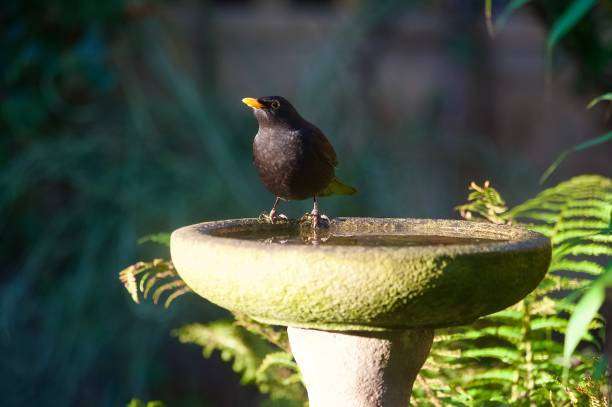
Height and location are crucial details in bird bath design. Birds are extremely sensitive to their environment; they need to be able to observe their surroundings while visiting and retreat safely. A bird bath that is too low is vulnerable to ground predators such as cats and snakes; one that is too high may make it difficult for small birds to land. A bird bath truly designed for birds is typically between 30 and 120 centimeters high, taking into account the cover and footholds provided by surrounding vegetation, balancing open views and safety. Garden owners can assess whether the location of the bird bath provides sufficient cover while facilitating bird take-off and landing.
Convenience of cleaning and water quality maintenance
Bird baths are frequently used by birds in their daily lives; they act as their own personal “bathing center,” often frequented by numerous birds. However, if a bird bath is poorly designed, hindering daily cleaning and effective water quality maintenance, it can significantly increase the risk of disease transmission. Without proper cleaning and water quality maintenance, various impurities, stains, and bacteria will gradually accumulate in the water. These germs can easily spread as birds use the bath, greatly reducing the protection of their health.
A bird bath truly designed with birds’ needs in mind will incorporate features such as easy disassembly, drainage, and cleaning. This thoughtful design allows garden owners to easily clean the bird bath regularly. They can conveniently remove the water source, drain the dirty water, and replace it with clean water.
They can also clean the sediment at the bottom of the basin, which may include mud, food scraps, etc., brought in by birds. Regular cleaning ensures the water quality in the bird bath remains clean, providing a healthy and hygienic bathing environment for the birds.
The design of the bird bath’s rim and bottom is also crucial. It’s essential to avoid stagnant water and hard-to-clean crevices. Stagnant water leads to prolonged water accumulation, breeding bacteria, while hard-to-clean crevices allow dirt and bacteria to hide, making them difficult to remove. A well-designed system prevents these problems, ensuring the birds’ health and protecting them from pathogens while using the bath, while also extending the bath’s lifespan. Long-term accumulation of dirt and bacteria in the bird bath can corrode and damage the tub, and a good design minimizes this risk.
When determining whether a bird bath is suitable, garden owners can check the structure of the basin to ensure easy cleaning and drainage. Specifically, check if the bird bath is easy to disassemble, if the drain is unobstructed, and if the interior of the basin has a design for easy cleaning. Such checks ensure that water management of the bird bath is simple and feasible, allowing garden owners to easily provide a clean and hygienic bathing place for their birds.
Visual safety and environmental integration
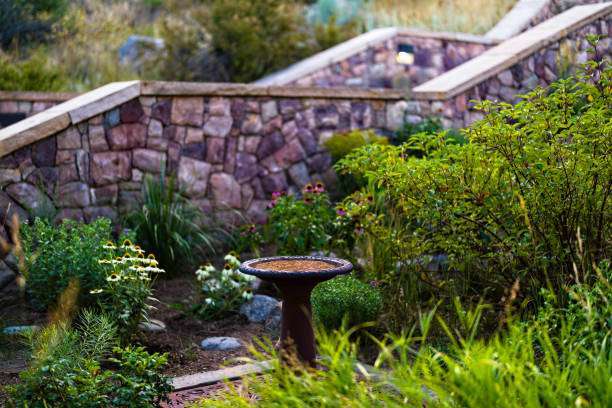
Birds are highly sensitive to visual safety when choosing water sources. Overly bright, reflective, or jarring bird baths can be alarming and discourage their use. A truly bird-friendly pool will harmonize with its surroundings, featuring natural colors and a shape that complements its ecological environment.
It will also provide visual barriers or hiding places, making birds feel safe while using it. Garden owners can assess whether their design considers the psychological needs of birds by observing how the pool’s color and shape blend with the overall garden environment and whether it provides surrounding cover.
Diversity and ecological adaptability
A truly dedicated bird bath will take into full account the unique habits and diverse needs of different bird species, and will provide them with a variety of functions. For example, some bird bath designs will have shallow and deep water areas specifically designed around the edge of the tub.
This design is ingenious; the shallow area is suitable for smaller birds to bathe happily, while the deep area can meet the drinking needs of larger birds. Other bird bath designs will provide tiered platforms, a very thoughtful design that allows birds that like to socialize to use the bird bath simultaneously without disturbing each other.
The ecological adaptability of bird baths can significantly increase their frequency of use by birds. When garden owners are making their selections, they should carefully observe whether the functions of the pool are diverse enough and whether it can well accommodate birds of different sizes and behavioral habits. The pool should truly serve ecological needs, and not merely provide aesthetic value.
Conclusion
a birdbath is truly “designed for birds” depends on seven key details: capacity and depth, material and surface texture, stability and anti-tipping design, height and location adaptability, ease of cleaning and water quality maintenance, visual safety and environmental integration, and diversity and ecological adaptability.
Each detail directly affects birds’ willingness to use the birdbath and their safety. Garden owners must carefully observe and assess these key factors when purchasing and arranging a birdbath to ensure the pool truly serves the birds and attracts them to visit frequently.
A scientifically designed birdbath not only increases the garden’s biodiversity but also becomes an important part of ecological education and birdwatching experiences. By focusing on these seven details, garden owners can create a safe, comfortable, and eco-friendly birdbath environment, making every bird visit an affirmation of the design and the ecosystem.
bird baths designed with attention to detail the bird bath are significantly superior to those focused solely on appearance in terms of both usage and ecological value. By rationally selecting materials, stability, location, height, and water depth, while also considering visual safety and ecological adaptability, garden owners can maximize bird visits and enhance the vitality of the ecosystem.
Every time a bird stops, it affirms the garden owner’s meticulous arrangement and scientific design, adding vitality and natural beauty to the garden.
FAQ
1. Are larger bird bathing tubs more likely to attract birds?
Not entirely. Well-designed small bird bathing tubs are often more popular than unsafe large tubs.
2. How to quickly determine if a bird bath is “designed for birds”?
Check if it is safe, stable, has shallow water, is non-slip, easy to clean, and provides a way for birds to escape rather than being exposed.