Unveiling the hidden risks of bird bath: 4 truths about germ transmission.

Bird baths are an important part of a garden ecosystem, providing not only drinking and bathing spaces but also attracting a variety of birds and enriching the garden’s biodiversity. However, these seemingly simple pools actually harbor potential risks. If water quality is not properly managed, bird baths can become breeding grounds for and spread germs, posing a serious threat to bird health.
Research and practice show that understanding the risks of pathogens in ponds , identifying transmission routes, and implementing scientific management measures are essential knowledge for every garden owner. This article will delve into the truth about pathogen transmission in ponds from four aspects , combining specific cases, scientific data, and behavioral analysis to provide you with actionable maintenance solutions.
Reasons why the risk of pathogens cannot be ignored
Birds living in the natural environment are exposed to various microorganisms, including bacteria, viruses, and parasites. Ponds provide a relatively enclosed aquatic environment, making it easier for microorganisms to multiply and accumulate. If the water is not changed or cleaned regularly, the concentration of bacteria and fungi will increase significantly, making birds highly susceptible to infection during drinking and bathing.
Professional ecological studies have shown that in the warm and humid environment of summer, the number of bacteria in bird bath water can increase more than tenfold in just 48 hours. Microorganisms such as Salmonella and fungi are particularly common among these bacteria. Under such conditions, birds’ feathers, claws, and digestive tracts face potential threats, which can trigger a range of health problems and even lead to a significant decline in the overall health of the bird population.
The impact of bird bath water quality issues is multifaceted. It not only negatively affects the health of birds but also disrupts the ecological balance to some extent. When the water quality of a bird bath deteriorates, birds visit it less frequently, which weakens important ecological functions such as pollination, seed dispersal, and insect control. If the water quality is neglected for an extended period, the pond, which was originally an ecological asset, could transform into a source of risk. Therefore, a thorough understanding of the transmission mechanisms of pathogens in the bird bath environment and the potential risks they pose is a necessary prerequisite for the scientific and rational design and effective management of bird baths.
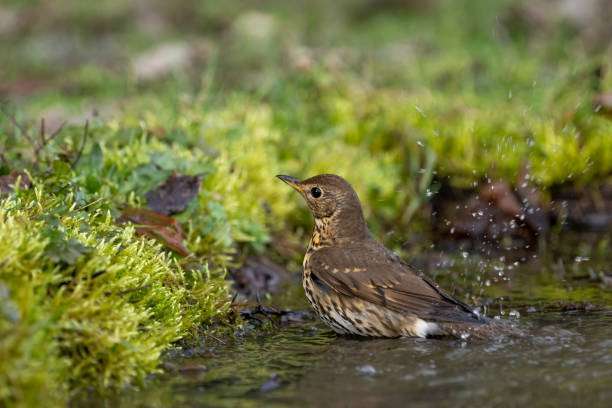
Truth 1: Bird droppings are the main route of transmission.
Bird droppings are a primary vector for the spread of pathogens in ponds . When birds drink or bathe, their excrement easily falls into the water, introducing pathogens such as Salmonella, coccidia, and Toxoplasma gondii. These pathogens multiply rapidly in warm, humid water, creating a high-concentration infection environment. Studies show that when small, gregarious birds such as sparrows and tits frequently linger at the same water source, the bacterial concentration in their droppings can rise to dangerous levels within just 24 hours. Larger birds, such as magpies and crows, spread pathogens to the edges of the water basin and the surrounding environment during bathing, further increasing the risk.
Case analysis revealed that in a community garden, an uncleaned pond led to a Salmonella outbreak among sparrows, with approximately 30% exhibiting indigestion symptoms. Ultimately, the water source had to be completely cleaned and replaced. This case illustrates that fecal transmission is the most direct and dangerous source of pathogens in ponds . Regularly cleaning and changing water sources, and promptly removing feces that fall into the water, are crucial measures to prevent the spread of pathogens.
Truth #2: Algae and sediments become breeding grounds for pathogens.
Besides feces, the sediment and algae that accumulate at the bottom of the bird bath are also important breeding grounds for bacteria. In the daily environment of the pool, fallen leaves, soil, pollen, and food scraps gradually accumulate in the water. These accumulated substances provide abundant nutrients for bacteria and fungi, allowing them to multiply rapidly in this suitable environment. Especially in summer, when temperatures are high and sunlight is abundant, algae growth becomes extremely vigorous.
As algae grow in abundance, the water in bird baths easily becomes murky and emits an unpleasant odor. This algae not only provides a nutrient source for pathogens, offering the necessary material basis for their growth and reproduction, but it can also obstruct the birds’ vision. When the birds’ vision is blocked, their willingness to use the bird bath is greatly reduced.
Scientific experiments have clearly shown that when the ambient temperature is around 28 degrees Celsius and there is ample sunlight, the number of E. coli in bird bath water containing algae deposits can increase approximately 15-fold within 48 hours. In stark contrast, in water without deposits, the bacterial increase is only 2-fold.
If algae and sediment remain in the bird bath for a long period, it will not only harm the health of the birds, affecting their normal growth and survival, but also adversely affect the stability of the water quality, leading to water deterioration. Therefore, to ensure the safety of the water quality in the bird bath, it is crucial to regularly and thoroughly clean the bottom of the bath to remove sediment and algae. This measure is of vital importance for maintaining a healthy living environment for birds and ensuring the bird bath is in good working order.
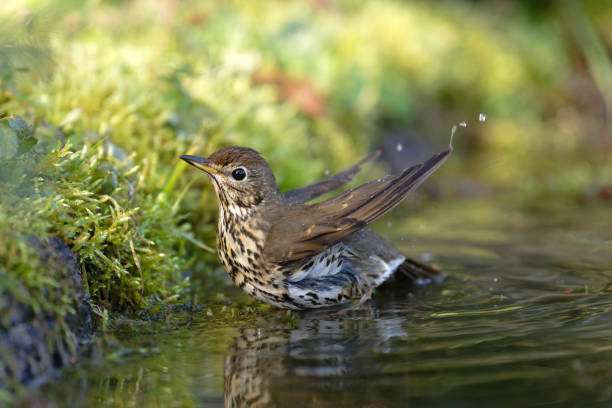
Truth #3: Water temperature and sunlight affect the reproduction of pathogens.
Water temperature and sunlight intensity are important factors affecting the reproduction of pathogens in bird baths . High temperatures accelerate the reproduction of bacteria and fungi, leading to a rapid increase in pathogen concentration. Conversely, while low temperatures can inhibit some bacteria, some fungi and parasites can still survive, posing a risk of latent infection.
Excessively high water temperatures or strong direct sunlight can cause water evaporation and excessive algae growth, while also increasing the number of pathogens; excessively low water temperatures or prolonged freezing can also allow latent pathogens to accumulate, creating a hidden threat during winter.
Proper management of water temperature and sunlight can effectively inhibit the growth of pathogens. In summer, shade can be added around the water basin to lower the water temperature and avoid direct sunlight; in winter, ensure the water source does not freeze, and use heating equipment to maintain a suitable temperature if necessary. Combining scientific observation and environmental control, it is possible to maintain water quality safety and reduce the risk of pathogen transmission in different seasons.
Truth #4: Dense bird populations accelerate the spread of the virus.
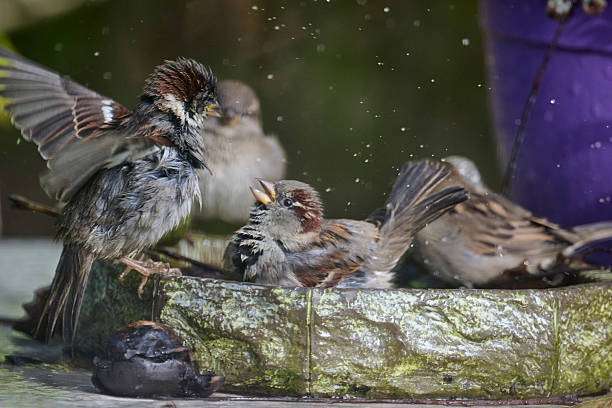
When bird bath successfully attract a variety of bird species, the concentrated use of the pool within a limited area significantly accelerates the spread of pathogens. Small birds often congregate around the pool, frequently drinking and bathing. During this process, their bodies constantly touch the water, and their feathers come into frequent contact. This makes it easy for pathogens to spread between these individual birds.
Meanwhile, when large birds plunge into the water, the resulting splashes are more than just simple sprays. These splashes spread germs already present in the water or attached to the birds into the surrounding environment, and also splash onto other birds, further expanding the spread of pathogens.
If necessary cleaning measures and effective water quality management are not taken during routine bird bathing, the rate of pathogen spread in the specific environment of the pool will far exceed its normal spread rate in the natural environment.
Actual case studies have shown that in a garden with three bird baths, the infection rate among the birds significantly decreased after they were dispersed to different water sources. This clearly demonstrates that increasing the number of water sources and distributing them can effectively reduce opportunities for close contact between birds.
Because the birds no longer concentrate around a few pools, their probability of contact with pathogens is correspondingly reduced, thereby improving water quality safety.
In addition to increasing and dispersing water sources, rationally controlling the usage time of the pool is also an effective method. For example, birds can be encouraged to use bird baths in the early morning or by using them in staggered time slots. This avoids a large number of birds using bird baths at the same time, reducing the frequency of contact between birds and thus effectively reducing the rate of disease transmission, creating a relatively healthy and safe environment for birds.
Comprehensive management strategy
To prevent the spread of pathogens in bird baths , garden owners need to adopt a comprehensive management strategy. First, the water should be changed regularly and bird baths cleaned to remove feces, sediment, and algae, maintaining water quality. Second, water temperature and sunlight should be controlled to inhibit pathogen growth and ensure a comfortable and safe water source. Third, the pond should be strategically designed to avoid dense bird populations and increase its dispersion.
Fourth, the pond should be integrated with the surrounding vegetation and ecosystem to provide shelter and escape routes, reducing stress on birds and minimizing environmental pollution. Adhering to these measures long-term can significantly reduce the risk of pathogen transmission and protect bird health.
Meanwhile, garden owners can establish a recording system to observe bird usage frequency, behavioral patterns, and seasonal changes, and make scientific adjustments in conjunction with water quality monitoring. This continuous management not only improves pond utilization but also optimizes the garden ecosystem, forming a stable natural cycle.
Conclusion
Bird baths, as important drinking and bathing areas for birds, pose a significant risk of disease transmission. Birds leave behind large amounts of droppings in the pool, which carry numerous bacteria and viruses. Algae deposits also accumulate, deteriorating water quality and providing a breeding ground for pathogens.
Furthermore, water temperature and sunlight significantly influence pathogen reproduction; suitable temperatures and ample sunlight accelerate growth. Moreover, large numbers of birds congregating in the pool greatly increase the likelihood of disease transmission. In short, bird droppings, algae deposits, water temperature, sunlight, and concentrated bird populations are all crucial factors in the rapid spread of pathogens.
To effectively prevent the spread of germs and protect the health of birds, we need to arrange and manage bird baths scientifically. First, the water in the bird baths must always be kept clean, ensuring birds have clean water for drinking and bathing. Second, the bird baths should be thoroughly cleaned regularly to remove feces, algae, and other contaminants. Third, water temperature and sunlight exposure should be properly controlled to avoid creating a suitable environment for germ growth.
Additionally, the bird baths should be distributed appropriately to prevent birds from concentrating excessively in any one area. Furthermore, we should combine long-term observation and ecological management to closely monitor the health of the birds and changes in the ecological environment surrounding the bird baths . Only by doing all of these things can we truly and effectively prevent the spread of germs and create a healthy and safe living environment for birds.
By understanding these four truths, garden owners can not only increase bird visits but also optimize the garden’s ecological balance, creating a safe, healthy, and vibrant bird paradise. Every bird visit affirms the effectiveness of scientific planning and ecological management, while bringing vitality and natural harmony to the garden.
FAQ
1. Does the color of a bird bath affect birds?
Yes. Natural tones are more acceptable, while overly bright or reflective colors are more likely to arouse suspicion.
2. Does the bird bath tub need to be cleaned daily?
It is recommended to clean it frequently during hot seasons and less frequently during cold seasons, but regular maintenance is still necessary.