The 6 most common and fatal mistakes when using a bird bath – a must-read for beginners.

In garden design, bird baths are often seen as charming features that enhance the landscape. They not only provide birds with a place to drink and bathe, but also subtly improve the garden’s ecology. However, many beginners make fatal mistakes when setting up bird baths due to a lack of experience. These mistakes may cause birds to avoid your garden, or even prevent the pond from realizing its intended ecological value.
This article will delve into the six most common fatal mistakes beginners make and provide scientific and practical solutions to help you make your bird bath a true core attraction for birds.
Mistake 1: Ignoring the location of water sources and sense of security
Many beginners believe that simply providing a beautiful bird bath will attract birds naturally. However, birds are naturally alert and have an extremely keen sense of potential predators. If the bath is placed in an open, exposed location, birds will avoid it due to a lack of security. The ideal location is near bushes, branches, or a corner, allowing birds to quickly retreat when drinking or bathing.
Height is also crucial. Bird baths that are too low are easily accessible to cats, dogs, or other predators, while baths that are too high are out of reach for small birds. The ideal height is usually slightly above the ground or close to the height of a branch, providing both easy access and a sense of security for the birds. This sense of security directly affects how often the birds visit. If birds feel unsafe on their first attempt, they may never return.
Furthermore, the location of water sources also affects the overall ecology of the garden. A properly placed bird bath not only attracts birds but also stimulates the activity of insects and small invertebrates, forming a miniature food chain. These small creatures then become food for the birds, gradually bringing a dynamic balance and rich biodiversity to your garden. The placement of the pool can be considered a crucial foundation for the ecological vitality of the entire garden.
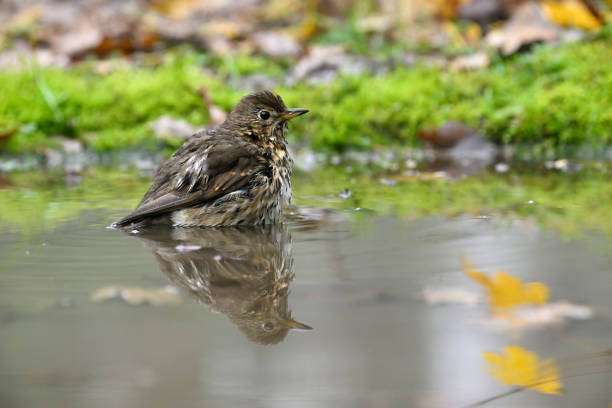
Mistake 2: Ignoring the importance of water quality cleaning
Water cleanliness is a key factor in whether birds decide to use a bird bath . Many beginners think that any water will do, but in reality, birds are very sensitive to water quality; they can judge whether the water is safe through sight and smell. If there is dirt, algae, or the water hasn’t been changed for a long time, birds will avoid it. Maintaining clean water not only ensures birds feel safe using the water but also prevents the spread of diseases.
In routine maintenance, beginners should ensure the water is changed daily or every two days, especially during hot summer months or when birds use the water frequently, requiring more frequent water changes. Additionally, regularly cleaning the inside of the bird bath to prevent scale and algae buildup is also crucial for maintaining clean water quality. Clean water allows birds to drink and bathe safely, while also keeping the garden environment fresh and preventing the breeding of mosquitoes and unpleasant odors.
Water depth is equally important. Water that is too deep is unsafe for small birds, while water that is too shallow may be unsuitable for large birds. By observing the size and behavior of common birds in the garden, the water depth can be adjusted to make bird bathing both safe and comfortable, thereby attracting a wider variety of birds.
Error 3: The depth and edges of the bird bath design are unreasonable.
a bird bath directly affect the bird’s experience. Small birds prefer shallow pools with gentle edges so they can stand and bathe safely, while larger birds need slightly deeper water for full immersion. Edges that are too high or sharp can deter birds and may even cause injury.
In terms of material selection, ceramic, stone, or thick resin are all ideal materials for creating a bird bath. Ceramic has a unique texture and a certain weight, stone is sturdy and durable and has a rustic feel, while thick resin also has considerable strength.
to the pool , ensuring it won’t easily shake or shift when placed outdoors. They also have temperature-regulating properties; in hot weather, they absorb some heat to prevent the water temperature from becoming too high; in cold weather, they provide some insulation, ensuring birds feel comfortable and safe when using the pool .
In contrast, while plastic is lightweight and easy to move and place, it also has significant drawbacks. Due to its relatively light weight, it is easily tipped over by wind and other factors in outdoor environments. Furthermore, it is sensitive to temperature changes; it may soften and deform at high temperatures and become brittle and fragile at low temperatures. Therefore, if plastic is chosen for a bird bath, it needs to be paired with a sturdy support to enhance stability and reduce the risk of tipping over.
To ensure that bird baths are truly used by birds and not merely serve as decorative elements in the garden, in addition to choosing appropriate materials, scientific design is also essential. Specifically, the water depth of the pool must be precisely designed ; it cannot be too deep, lest it frighten the birds or even pose a drowning risk; nor can it be too shallow, otherwise it will fail to meet the birds’ needs for bathing and drinking.
At the same time, the design of the pool ‘s edge is also crucial. The shape and width of the edge should be suitable for birds to stand and move around, allowing them to easily enter and exit the pool . Only by comprehensively considering these factors, scientifically designing the water depth and edge, and appropriately selecting materials can your bird bath truly become a favorite activity area for birds and fulfill its intended purpose.
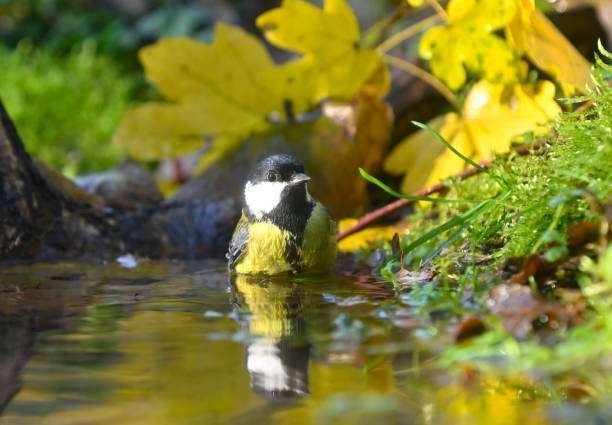
Mistake 4: Ignoring stability and material selection
Birds are agile and quick when bathing in water, and if the bird bath is not stable, they are likely to give up after the first attempt. Many beginners buy lightweight plastic pools , focusing only on appearance and neglecting stability. Stability is more important than aesthetics; the base of the pool should be wide, thick, and made of sturdy material, able to withstand wind and rain, and support multiple birds using it at the same time.
Ceramic or stone materials are not only stable but also allow for temperature regulation, ensuring birds’ comfort in different seasons. Plastic materials require a sturdy stand to prevent tipping. Regularly checking the base and support structure for stability and preventing loosening due to prolonged exposure to wind and rain is crucial for maintaining the bird bath ‘s appeal. A stable and comfortable bird bath will encourage frequent visits from birds and reduce the risk of injury.
Mistake 5: Ignoring the patterns of light and time
Birds’ routines are highly dependent on natural light, with early morning being their peak time for activity, drinking, and bathing. Many beginners overlook the importance of light and time patterns, missing the best opportunity to attract birds. An ideal bird bath should make full use of morning light while providing adequate shade, allowing birds to bathe in the light while feeling safe.
Regular time patterns are equally important. Birds develop fixed routines based on sunrise and sunset, food availability, and environmental habits. If there is a regular food schedule in the garden, and these factors are considered before releasing a bird bath , it can increase the frequency of bird visits. By scientifically utilizing light and time patterns, birds can form positive memories in a safe and comfortable environment, thus encouraging them to visit your garden long-term.
Mistake 6: Incorrectly matching bird feeders and environment
Many beginners add bird feeders immediately after setting up the pond , believing this will satisfy both the birds’ drinking and foraging needs. However, birds typically prioritize safe water sources before considering food. Adding bird feeders too early may distract birds, causing them to neglect bird bathing , and could even trigger territorial competition.
The correct approach is to first ensure the pond is safe, clean, and easy to use, and then rationally arrange food and resting places to create a natural balance in the entire garden environment, attracting more birds. Through scientific arrangement, birds will form the impression that “this place is safe and comfortable,” increasing the likelihood of long-term return visits.
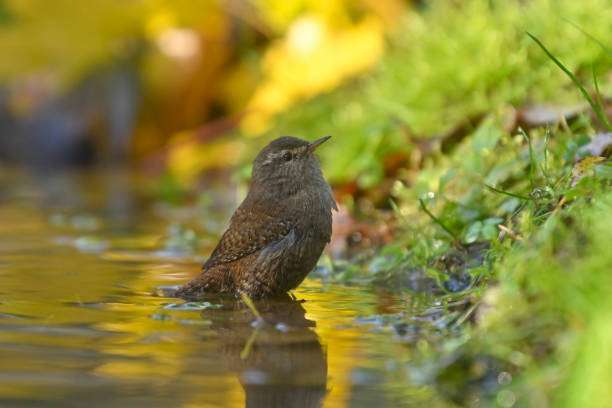
How to avoid these mistakes and make bird baths truly attractive to birds?
To maximize the effectiveness of a bird bath , it’s essential to consider both the overall layout and the details of the design. First, observe the activity patterns of common bird species in the garden, analyzing their safety preferences and drinking habits. Then, select suitable locations, heights, and shelters for the water source to ensure the birds have a quick escape route when using it.
Secondly, maintaining clean water, designing appropriate water depth and edges, and selecting sturdy materials are essential to ensure the birds’ comfort and safety. Finally, combining natural lighting, time of day, and food distribution creates a stable environment that encourages birds to establish a long-term habit of visiting the area.
Through a scientifically designed layout and meticulous maintenance, a well-planned bird bath plays a significant role. It not only attracts a diverse array of birds with its unique charm, adding lively figures and melodious birdsong to the garden, but also becomes a crucial core component of the entire garden ecosystem.
It acts like a miniature ecological engine, driving a natural cycle among insects, small invertebrates, and plants. Insects pollinate the plants; small invertebrates improve the soil, promoting plant growth; and plants provide food and habitat for birds and other organisms. This creates a vibrant and dynamic micro-ecological environment. Every time birds visit this meticulously crafted garden, it’s a silent affirmation of its overall layout and ingenious design. This signifies that the garden’s arrangement and design conform to natural laws and are aesthetically pleasing.
At the same time, this allows people to find peace and satisfaction in the process of leisurely appreciating the beauty of nature. People can quietly watch birds playing and drinking at the bird bath, feeling the harmony and beauty of nature, and letting their inner noise and worries dissipate.
Conclusion
Bird baths may seem simple, but improper setup can cause birds to avoid them. Six common mistakes beginners make include neglecting location and safety, water cleanliness, design depth and edges, stability and materials, lighting and timing, and inappropriate food and environmental pairings.
Every mistake can cause birds to lose interest and even affect the overall ecology of your garden. Through scientific planning, careful design, and regular maintenance, your bird bath can become a safe haven for birds, while simultaneously improving the garden’s ecosystem and allowing every visitor to experience the vitality and beauty of nature. Proper preparation and design ensure that your bird bath truly works, attracting birds to your garden immediately and filling it with vitality and natural harmony.
FAQ
1. Is it better to place a bird bath tub in the sun?
Moderate sunlight is a plus, but direct sunlight can cause the water temperature to become too high. The ideal location is one that receives sunlight in the morning and shade in the afternoon.
2. How long should you leave the water in a bird bath before it becomes dangerous for the bird?
Generally, the water should be changed every 1-2 days in summer, and this can be extended in winter. Leaving the water untouched for extended periods can easily lead to the growth of bacteria and parasites.