Bird bath stability is crucial for success: 9 methods to prevent tipping over

Bird baths are an indispensable feature of garden ecology. They not only provide birds with a place to drink and bathe, but also attract more birds, enriching the garden’s vitality and diversity. However, even with a suitable water source and a beautiful bird bath , if the system is not stable enough, birds may not come at all.
bird bath that frequently tipes over or shakes will make birds feel threatened and refuse to use it altogether. Therefore, ensuring the stability of the bird bath is crucial before setting it up. This article will analyze the importance of bird bath stability in detail and provide nine methods to help garden owners prevent bird baths from tipping over, allowing birds to visit with peace of mind.
Why is stability so crucial?
Birds are extremely sensitive to safety, instinctively assessing potential threats when choosing drinking and bathing spots. Even a slight sway or a bird bath that’s prone to tipping over will immediately trigger their alarm and drive them away. Insufficient stability not only affects bird use but can also lead to water spills, damage to the pool , or impact on the surrounding environment. A stable pool makes birds feel safe, allowing them to stay longer to bathe and drink, thus increasing visit frequency and reducing the likelihood of accidents.
Stability also affects the user experience for birds of different sizes. Small birds such as sparrows and tits are very sensitive to shaking and will quickly retreat at the slightest instability. Large birds such as magpies and crows create impact when they jump into the water, and if the bird bath is not stable, their force can cause the basin to tilt or even tip over. By ensuring stability, the bird bath can accommodate multiple birds using it simultaneously, improving the overall ecological interaction.
Method 1: Choose a material with an appropriate weight
The weight of the pool’s material has a direct and significant impact on its stability. Specifically, materials like ceramic and stone are quite heavy. This weight provides excellent stability after placement. Because of this characteristic, they are particularly suitable for placement on the ground or mounting on a fixed stand. When placed on the ground, their weight allows them to adhere firmly to the ground, preventing wobbling; when mounted on a fixed stand, they fit snugly, ensuring the stability of the entire bird bath.
The heavy resin material also excels in stability. It not only possesses the same robust properties as ceramic and stone, but also has a significant advantage: ease of transport. When we need to adjust the pool’s location, or perform cleaning or storage operations, the heavy resin bird bath is not as difficult to move as ceramic or stone ones; we can relatively easily transport it to the desired location.
In contrast, while lightweight plastic pools offer the advantage of easy mobility, allowing us to relocate them as needed, they also have significant drawbacks. Due to their light weight, they are easily blown away by the wind in windy weather; and they are also prone to tipping over when birds land on them or impact them. To ensure the stability of lightweight plastic pools, additional support is needed, such as using anchoring devices to secure them in place.
Therefore, choosing the right material is the first and crucial step in ensuring the stability of a bird bath. This step is paramount and can even be considered the key factor determining the success or failure of the entire bird bath. Only by selecting the right material can the pool meet our needs while maintaining good stability, providing birds with a safe and reliable bathing environment.
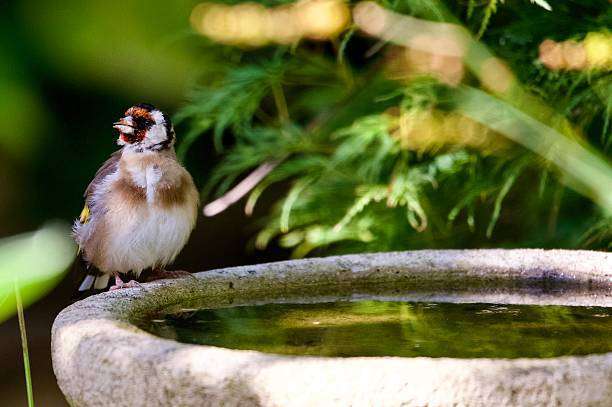
Method 2: Ensure the base is wide and thick
A wide, sturdy base enhances the overall stability of the pool . A base that is too narrow can lead to instability, especially in strong winds or when birds jump in, making it prone to tipping over. A wide, sturdy base not only provides support but also reduces the risk of tipping over, increasing safety. The connection between the base and the main body of the pool should be secure, preventing loosening or wobbling, so that the pool remains stable even when birds jump in or perch.
Method 3: Fixed bracket or weighted design
In bird baths made of lightweight materials, the design of the support structure and weight-bearing features is particularly crucial. This is because lightweight materials themselves have relatively poor stability; without proper design in these two aspects, the pool can easily become unstable, swaying or wobble. To enhance the stability of the pool, several effective methods can be employed to increase its weight.
For example, sandbags can be used, as they have a certain weight and are easy to place and adjust; stones can also be chosen, as their greater weight provides excellent weight; or an iron base can be used, as it is sturdy, durable, and heavy. Besides adding weight, ground anchors can be used to firmly secure the support to the ground. Ground anchors penetrate deep into the ground, providing strong stability and preventing the support from easily shifting.
A sturdy support structure plays a vital role, effectively preventing the pool from tilting in windy weather and avoiding tilting due to the impact when birds jump into the bird bath. This ensures the bird bath remains stable for a considerable period, providing a safe and stable bathing environment for the birds.
Moreover, the fixed support system is widely applicable. It’s not only suitable for open environments like courtyards, but also for smaller spaces like balconies, and decorative areas like flower beds. The fixed support system ensures the pond remains reliable under various environmental conditions, creating a suitable habitat and bathing space for birds.
Method 4: Avoid high-wind areas
The location of a pool significantly impacts its stability. High-wind areas can easily cause lightweight pools to sway or even tip over. Choosing a sheltered location, such as near buildings, shrubs, or low trees, can effectively reduce the impact of wind. Even during windy seasons, the pool remains stable, allowing birds to drink and bathe safely. Combining location selection with environmental shelter is a crucial method for enhancing stability.
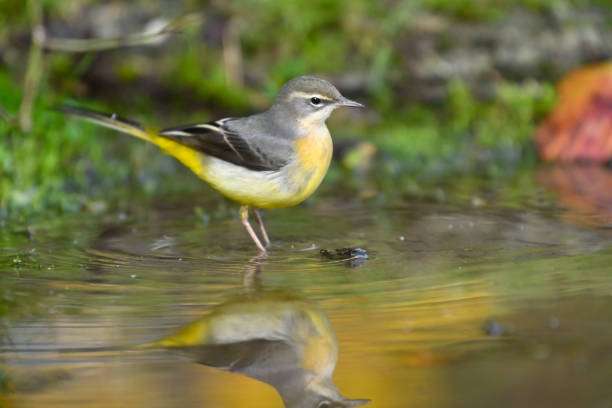
Method 5: Maintain a reasonable water level
Excessive water level raises the center of gravity of the water basin, making it more prone to tipping over when birds jump in or when the wind blows. Properly controlling the water level ensures both bird comfort and reduces the risk of tipping. Shallow water is especially important in gardens where small birds are frequently present, while deeper water can be adjusted to accommodate the habits of larger birds, but a stable center of gravity is still essential. Scientific water level control balances bird usability with the stability of the bird bath .
Method Six: Regular Inspection and Maintenance
Even if a bird bath is initially perfect and stable, it may develop loosening, wear, or settling issues over time. Regularly inspecting the base, supports, and anchor points, and adjusting or reinforcing them as needed, will ensure the long-term stability of the bird bath . This is especially important during rainy seasons or when multiple birds are using the bath simultaneously. Continuous maintenance not only extends the lifespan of the bath but also ensures that the frequency of bird visits remains unaffected.
Method 7: Choose a flat and stable surface
When placing a pond, the chosen surface must be flat and stable. Sloping ground or soft soil greatly increases the likelihood of the pond tilting or even tipping over, which would negatively impact the birds’ ability to use the pond.
To avoid such situations, some effective measures can be taken. For example, we can lay stone slabs on the ground, as stone slabs are hard and can provide solid support for bird baths; we can also lay concrete, which will form a flat and stable surface after it hardens; or we can choose to lay sturdy wooden planks, which have a certain degree of flexibility while ensuring sufficient stability.
These methods ensure that the bottom of the bird bath is in close contact with the ground when placed. A flat and stable base is crucial, as it minimizes the risk of the bath tipping over, allowing birds to feel safe and comfortable while bathing, drinking, and engaging in other activities.
Method 8: Avoid multiple people moving the item at the same time.
a bird bath can easily compromise its stability, and frequent relocation can lead to a loose base or broken support. When setting up the location, try to choose the best spot all at once to minimize the number of times it needs to be moved. If relocation is necessary, carefully check the stability afterward to ensure the base is level and the water dish is secure. Reducing movement not only protects the bath’s structure but also maintains the birds’ habits and prevents them from becoming fearful due to environmental changes.
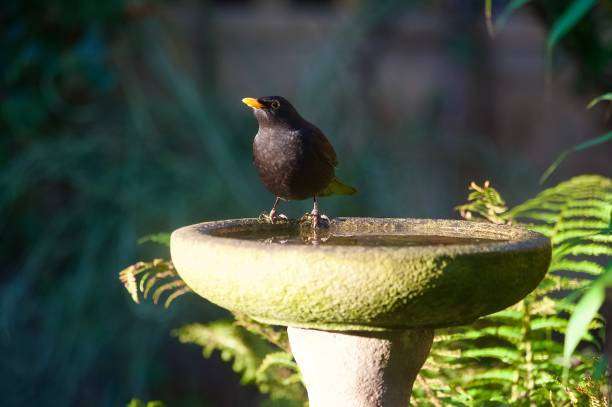
Method Nine: Increase support by combining plants and the environment
a bird bath in the garden , utilize surrounding shrubs, low branches, or stones to provide support and protection. Plants and stones not only provide visual concealment and enhance the birds’ sense of security, but also stabilize the pool to some extent , preventing it from tipping over. Making good use of environmental elements to both beautify the garden and enhance the stability of the pool is an important method of scientific arrangement. By integrating with the natural environment, the stability and attractiveness of the bird bath are simultaneously improved, creating a more harmonious ecological environment.
Comprehensive Analysis and Strategies
Ensuring a stable pond is crucial for attracting birds. Nine methods can minimize the risk of tipping over: choosing suitable materials, using a sturdy base, securing supports, avoiding windy areas, controlling water levels, conducting regular inspections, placing it on a level surface, minimizing movement, and utilizing the surrounding environment for support. A stable pond not only increases birds’ sense of security but also attracts a wider variety and greater number of birds, enriching the garden’s ecosystem and increasing interaction and biodiversity.
scientifically designed and stable pond , incorporating clean water, appropriate depth, and a comfortable layout, not only attracts frequent bird visits but also enhances the overall ecological quality of the garden. Each time a bird jumps into the water to bathe, it affirms the stability of the arrangement, bringing vitality and natural harmony to the garden. Stability is crucial; only by paying attention to every detail can the pond truly become a core ecological facility in the garden, allowing birds to roam freely in a safe and comfortable environment, enriching the garden’s vibrant landscape.
Conclusion
bird bath is paramount for attracting birds. Mastering nine sturdy methods, along with proper placement and regular maintenance, not only prevents it from tipping over but also increases bird usage frequency and optimizes the garden’s ecosystem. A stable bird bath allows birds to drink and bathe with peace of mind, bringing vitality to the garden and making every bird visit a beautiful moment for observing nature and enjoying life. Garden owners who diligently implement these methods will find that a bird bath becomes a core tool for attracting birds and maintaining ecological balance.
FAQ
1. Will a bird bath that is too clean scare away birds?
No. Birds do not reject clean water, but they will reject chemical smells or unusual reflections.
2. Does a bird bathing tub need to be fixed to the ground?
Not necessarily, but it must be stable. As long as it doesn’t wobble or tip over, it meets the safety requirements for birds.