7 key points for creating a bird bath and easily building a bird sanctuary

Birds are the most vibrant visitors to a garden, adding life and color and providing an important balance to the garden’s ecosystem. However, for novice gardeners, simply buying a pretty bird bath isn’t enough to attract frequent bird visits.
There are many details to pay close attention to in terms of the layout, unique design, and daily maintenance of bird baths in a garden. These details may seem insignificant, but they can have a significant impact on whether a bird bath can attract birds and the role it plays in the garden ecosystem.
This article will provide a detailed analysis of seven key aspects, offering comprehensive and effective guidance through in-depth and meticulous explanations. This guidance will help you effortlessly create an attractive garden paradise that draws numerous birds to roost and frolic. Transform the bird bath from a mere decorative element into a vital core component of the garden’s ecosystem, promoting harmony and stability.
Key Point 1: Location of Water Source and Sense of Security
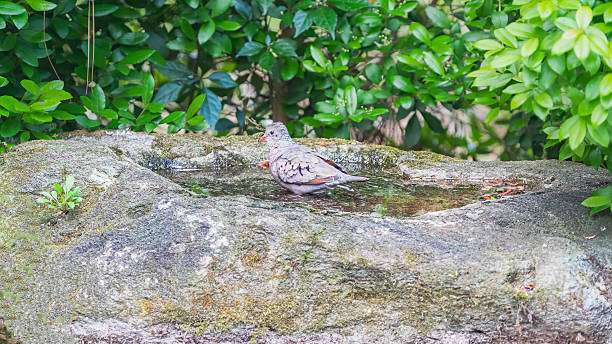
Birds are extremely sensitive to environmental safety and can quickly assess potential threats. If a bird bath is placed in an open, exposed area, birds are unlikely to attempt to approach it. The ideal location is near bushes, low branches, or a corner of a wall, providing birds with a safe escape route when drinking or bathing.
When setting up facilities for birds, the height is also a crucial factor. If the height is too low, predators such as cats and dogs can easily reach them, threatening the birds’ safety. If the height is too high, smaller birds may find it difficult to reach or feel uneasy at a height, rendering the facilities unusable.
Generally, the optimal height is slightly above the ground or close to low branches. This height setting allows birds to perch easily, enabling them to rest and move around freely, while also ensuring they feel safe and secure enough to roost there.
Choosing the right location offers numerous benefits. It not only increases bird activity at the facility, attracting more birds to the area, but more importantly, it fosters interaction within the garden’s micro-ecosystem. Frequent bird visits attract insects and small invertebrates, which then become the birds’ food source. This creates a healthy ecological cycle, making the garden’s ecosystem more stable and prosperous.
Key Point Two: Water Cleaning and Regular Maintenance
Clean water is the primary factor for birds deciding whether to use a bird bath . Birds are sensitive to water quality and can judge its safety through sight and smell. If the water contains too many impurities or hasn’t been changed for a long time, birds will avoid it. Maintaining clean water not only attracts birds but also prevents the spread of disease. Routine maintenance should include changing the water daily or every two days, especially during summer or when birds use the water frequently.
Additionally, regularly clean the inside of the pool to prevent the accumulation of algae, scale, and sediment, ensuring the water remains clear. Water depth is also crucial; too deep will frighten small birds, while too shallow may be unsuitable for larger birds. Properly adjusting the water depth and edge design allows different types of birds to drink and bathe comfortably and safely.
Key Point 3: Design and Materials of the Bird Bath
a bird bath significantly impact a bird’s experience. Small birds prefer shallow water and smooth edges so they can stand and bathe safely, while larger birds need slightly deeper water for full immersion. Edges that are too high or sharp can deter birds and even cause injury.
When creating a bird bath, the choice of materials is also extremely important. Materials like ceramic, stone, and thick resin have excellent properties, providing good stability to the pool . Birds won’t easily wobble or tip over when they’re in it. Moreover, these materials also regulate water temperature, keeping the water relatively cool in the hot summer and slowing down the rate of temperature drop in the cold winter, allowing birds to comfortably use the bird bath in different seasons.
However, while plastic pools are lightweight and easy to move and place, they also have significant drawbacks. Due to their light weight, they are prone to tipping over, especially in windy weather or when birds are very active. Furthermore, plastic is greatly affected by temperature changes; it may soften and deform in high temperatures, and become brittle and fragile in low temperatures. Therefore, if you choose a plastic pool , you need to use it with a sturdy support to enhance its stability and reduce the likelihood of tipping over and being affected by temperature.
A well-designed bird bath with a rational structural layout and made of reliable materials can significantly increase bird usage. When birds find such a comfortable, stable, and safe bird bath in the garden, they will be more willing to use it. Over time, this pool will become a core facility in the garden’s ecosystem, attracting more birds to gather, adding vitality to the garden, and promoting the balanced and harmonious development of the garden’s ecology.
Key Point Four: Stability and Sense of Security
Birds are agile and quick when bathing in water, and if the pool is not stable, they may give up after their first attempt. Stability is more important than aesthetics. The base of the pool should be wide, thick, and made of sturdy material, capable of withstanding wind and rain and supporting multiple birds using it simultaneously.
While ceramic or stone materials are heavy, they offer excellent stability; plastic materials require a sturdy stand. Regularly check the base and support structure for stability to prevent loosening due to prolonged exposure to wind and rain. A stable bird bath allows birds to perch comfortably, increasing usage frequency and reducing the risk of injury.
Key Point 5: Light and Time Patterns
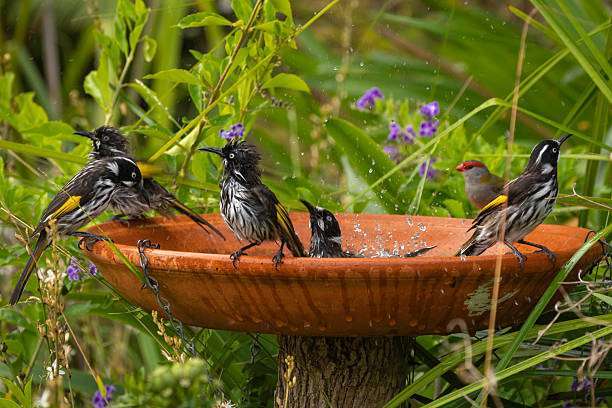
Birds’ routines are closely linked to sunlight; early morning is their most active time and also their peak period for drinking and bathing. An ideal bird bath should make full use of morning light while providing adequate shade, allowing birds to bathe in the light while maintaining a sense of security. Seasonal changes must also be considered: in the summer when the sun is strong, provide shade for the bird bath to prevent the water from getting too hot; in winter, prevent the water from freezing and ensure a safe water source year-round. Arranging the bird bath according to the patterns of light and time helps birds develop a long-term habit of returning, thus maintaining a stable garden ecosystem.
Key Point Six: Matching Food and Habitat
a bird bath to birds depends not only on its inherent qualities as a water source, but also on the availability of food and a suitable habitat around the bird bath. Birds typically follow a certain order when deciding whether to use a bird bath .
They tend to prioritize water sources that provide them with a sense of security, as safety is of paramount importance to them. Only after confirming the safety of the water source will they consider whether there is sufficient food available nearby.
However, if birdseed is placed improperly, it can have several negative effects. Firstly, poorly placed food may distract birds from the pond , causing them to focus more on finding and obtaining food, thus reducing their use of the pond . Secondly, illogical food distribution can also trigger territorial competition among birds.
When food resources are relatively concentrated or unevenly distributed, birds will compete for territory in order to obtain enough food. This will not only disrupt the originally harmonious environment, but may also cause some birds to be afraid to approach the bird bath because of the competition.
So, what’s the right way to do it? First, we need to ensure the bird bath is safe, clean, and easily accessible to birds. Safety is fundamental; avoid any factors around the pool that could harm the birds, such as sharp objects or traps that could lead them into danger. Cleanliness is also crucial; regularly remove debris and dirt from the pool to ensure the water is clean and hygienic, so the birds can use it with peace of mind. At the same time, the design and height of the pool should also make it easy for birds to access and use it.
After ensuring these conditions for the bird bath are met, we also need to appropriately match the bird feeders and suitable perches. The location of the bird feeders should be convenient for the birds to access food without excessively interfering with their bird bathing. The perches should also be set up with the birds’ habits in mind, providing them with a comfortable and safe resting place. In this way, a natural balance can be achieved in the entire pool and its surrounding environment.
The benefits of scientifically arranging food and habitat environments are multifaceted. Firstly, such an arrangement can significantly increase the frequency with which birds use the bird baths . Because birds are more willing to stay and use the bird baths in a safe, comfortable environment with good food and habitat conditions.
On the other hand, this can also greatly enhance the interactivity of the garden ecosystem. The frequent activity of birds in the garden will promote communication and interaction among the organisms in the garden. For example, they will spread pollen and prey on pests, thus making the entire garden ecosystem healthier and more active.
Key Point Seven: Continuous Observation and Adjustment
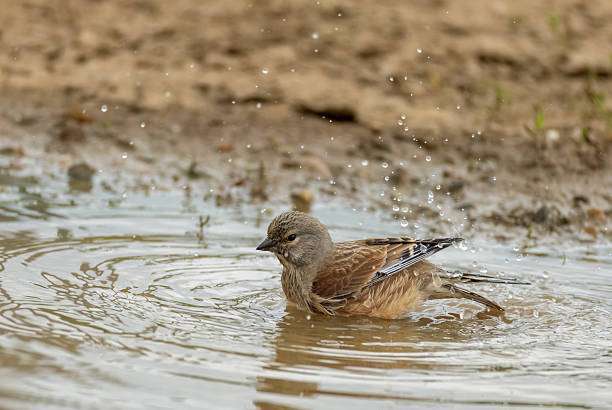
Bird behavior adjusts with changes in season, environment, and food supply. Beginners setting up a bird bath need to continuously observe how the birds use it and adjust the location, height, water depth, and surrounding environment accordingly. By observing the behavioral habits of different bird species, the birdbath setup can be optimized to better suit their needs. Continuous maintenance and adjustments not only ensure the pond attracts birds long-term but also allow the garden ecosystem to continuously improve, forming a natural, healthy, and stable cycle.
Comprehensive analysis and optimization strategy
By following these seven key points, garden owners can scientifically design bird baths to ensure their effectiveness. First, choose a suitable location and height to ensure the safety of birds. Second, maintain clean water, perform regular maintenance, and adjust water depth and edge design. Third, choose sturdy materials to ensure the pool’s stability and reliability.
Fourth, combine lighting, time of day, and the layout of surrounding food and habitats to create an overall environment that attracts birds. Finally, through continuous observation and adjustment, optimize the layout and maintenance strategies to make the pool a core facility of the garden’s ecosystem.
Proper preparation and design can not only attract birds to visit frequently, but also improve the garden’s micro-ecosystem, promoting interaction among insects, small invertebrates, and plants to form a complete ecological cycle. A bird bath is not only a place for birds to drink and bathe, but also a symbol of the garden’s ecological vitality, allowing every visitor to experience the beauty and tranquility of nature.
Conclusion
a bird bath include location, safety, water quality, design, stability, environmental compatibility, and continuous observation and adjustment. Mastering these elements allows garden owners to easily create a bird paradise, attracting frequent bird visits, improving the garden’s ecosystem, and achieving harmony between humans and nature. A scientifically designed and carefully maintained bird bath not only brings vitality to the garden but also brings joy and satisfaction with each bird visit, truly integrating the beauty of nature into daily life.
FAQ
1. Should bird bathing tubs be placed near bushes or plants?
Yes. Nearby bushes provide escape routes for birds, making them feel safer while bathing.
2. Will placing a bird bathtub near a window affect birds’ use of it?
Yes. Being too close to glass can make birds wary and may even cause them to collide with the tub; it’s recommended to keep a certain distance.