8 things you need to know about bird bath, otherwise birds will never visit

Birds are the most fascinating visitors to a garden, adding life and color and helping to maintain the garden’s ecological balance. However, many beginners often overlook details when setting up a bird bath , resulting in the birds simply not coming at all.
A beautifully designed bird bath doesn’t guarantee that birds will actually visit. Its effectiveness in practice is influenced by a variety of factors, including the safety and suitability of the surrounding environment, the ease with which birds can spot the pool , and water quality.
This article will explain in detail eight important things you must know before setting up a bird bath. Mastering these points will help you arrange your bird bath in a scientific and reasonable way. This will attract birds to use the bath more frequently , allowing you to effortlessly create a bird paradise in your garden, making your garden a favorite habitat and activity area for birds.
Essential Knowledge #1: The Location of Water Sources Determines Your Sense of Security
Birds are extremely alert in their natural environment, sensitive to predators and potential threats. If a bird bath is placed in an open, exposed area, birds are likely to avoid it entirely. The ideal location is near bushes, branches, or a corner, providing birds with a quick escape route when drinking and bathing.
Height is equally crucial; too low and it’s easily accessible to predators like cats and dogs, too high and small birds can’t use it. The optimal height is generally slightly above the ground or close to low branches, providing both a comfortable perch for birds and a sense of security. Choosing the right location not only ensures birds feel safe but also stimulates the surrounding micro-ecological activity, attracting insects and small invertebrates, providing food for the birds, and creating a complete ecological cycle.
Essential Knowledge #2: Clean Water is the Top Priority
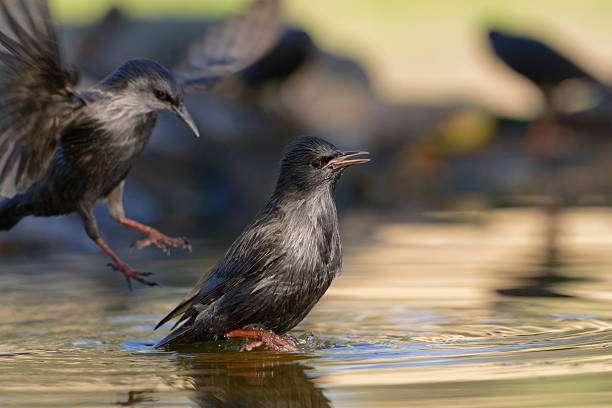
Birds are highly sensitive to water quality; they can determine the safety of water sources through sight and smell. If the water is murky, dirty, or hasn’t been changed for a long time, birds will avoid it. Keeping the water clean not only attracts birds but also prevents the spread of diseases.
Routine maintenance is crucial for the proper functioning of the bird bath and for providing birds with a good drinking and bathing environment. Specifically, routine maintenance includes changing the water in the pool , which should typically be done daily or every two days. Especially during the summer months when temperatures are high and evaporation is rapid, or during periods when birds frequently use the pool , the frequency of water changes should be increased appropriately to ensure the cleanliness and freshness of the water .
At the same time, it is necessary to regularly and thoroughly clean the inside of the bird bath. This is because over time, algae can easily grow, scale can form, and sediment can accumulate in the pool . If these impurities are not removed in time, they will seriously affect the clarity of the water, which may pose a potential threat to the health of the birds. Therefore, regularly cleaning the inside of the pool is a key step in ensuring that the water remains clear.
In addition, the water depth of the pool is also an important factor that cannot be ignored. When designing the water depth, the size differences of different birds must be fully considered, and reasonable adjustments must be made according to the actual situation. If the water in the pool is too deep, it will frighten smaller birds, making them afraid to approach the pool or even scared away.
Conversely, if the water is too shallow, it may not meet the normal bathing and drinking needs of large birds. Therefore, scientifically and rationally managing the water quality of the pond and designing an appropriate water depth are fundamental conditions for attracting birds to visit the pond frequently .
Essential Knowledge 3: Reasonable Design and Materials
a bird bath all affect the bird’s experience. Small birds prefer shallow water and smooth edges so they can stand and bathe safely, while larger birds need slightly deeper water for full immersion. Edges that are too high or sharp can deter birds and may even cause injury. Material selection is also crucial; ceramic, stone, or solid resin provide stability and regulate water temperature, making it comfortable for birds to use in different seasons. Plastic is lightweight but prone to tipping over, requiring a sturdy support. Proper design and material selection can significantly improve the bath ‘s usability, making it a core feature of the garden ecosystem.
Fourth essential knowledge: Stability and security
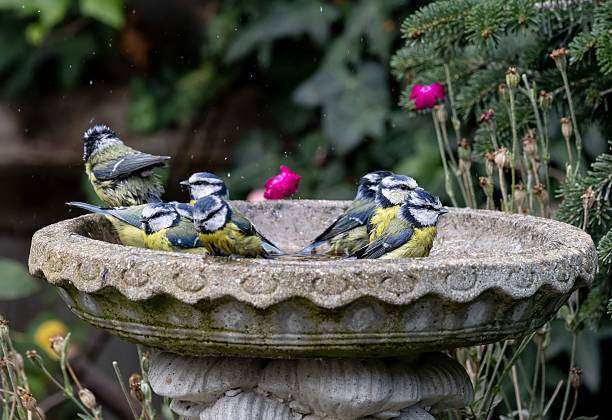
Birds move quickly when bathing in water, and if the bird bath is not stable, they may give up after the first attempt. Stability is more important than appearance; the base of the bath should be wide, thick, and made of sturdy material, able to withstand wind and rain and support multiple birds using it simultaneously. Ceramic or stone materials, although heavy, offer good stability; plastic materials require a sturdy support frame. Regularly check the base and support structure for stability to prevent loosening due to prolonged exposure to wind and rain. A stable bird bath makes birds feel secure, increases usage frequency, and reduces the risk of injury.
Fifth thing you must know: Light and your daily routine
Birds’ daily routines are significantly influenced by natural light, with early morning being their most active time of day. After a night’s rest, birds are full of energy and actively forage and play. Early morning is also the peak time for birds to drink and bathe; they come to water sources at this time to replenish their fluids and groom their feathers to keep themselves clean and healthy.
When designing a bird bath , it’s crucial to consider this bird behavior and make the most of the soft morning light. Morning light provides suitable temperature and brightness, allowing birds to feel warm and comfortable while bathing. Simultaneously, we should provide adequate shelter for the bird bath. Planting low shrubs or placing artificial hills or other obstacles around the bath allows birds to bathe freely in the light while maintaining a sense of security from external disturbances and fright.
In addition, seasonal changes are an important factor we must consider when setting up a bird bath. In summer, the sun is particularly strong and the temperature is high. If the pool is exposed to the sun for a long time, the water temperature will rise rapidly. Excessively high water temperature will not only make the birds uncomfortable, but may also cause bacteria to grow in the water, affecting the birds’ health.
Therefore, in summer, we need to provide some shade for bird baths, such as by building a simple sunshade or placing the bird bath under the shade of trees. In winter, the weather is cold, and water easily freezes. If the water in the bird bath freezes, the birds cannot drink or bathe properly. Therefore, in winter, we need to take some measures to keep them warm, such as placing heating pads under the bird bath or using antifreeze to prevent the water from freezing and ensure that the birds have a safe and usable water source year-round.
By rationally arranging lighting and bird activity patterns, it’s possible to help birds develop a habit of returning to their gardens regularly. When birds find a suitable place for bathing and drinking, they will visit it frequently. In this way, the number of birds in the garden will gradually stabilize, with various birds foraging, roosting, and breeding in the garden, thus stabilizing the garden’s ecosystem and making the garden more vibrant.
Six things you must know: The relationship between the surrounding environment and food pairings
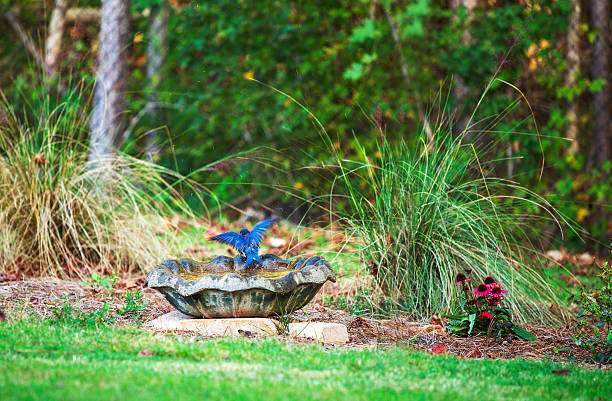
The allure of bird baths for birds isn’t solely based on the water source itself; it’s also closely related to the availability of food and a suitable habitat in the surrounding area. Birds typically follow certain patterns when choosing their activity areas. They usually first select a safe and reliable water source, and only after confirming the presence of safe water will they consider whether there is sufficient and suitable food nearby.
If the food around the bird bath isn’t arranged properly, several problems can arise. Firstly, such an arrangement might distract birds from the bath itself , causing them to focus more on finding food and neglecting the area . Secondly, an illogical food distribution could even trigger territorial competition among birds. When food is concentrated in one area or scattered too much, different birds might clash over territory to obtain enough food.
The correct approach is as follows: First, ensure the bird bath is in a safe environment, free from external disturbances and damage. The pool must also be clean, free of dirt and impurities, so that birds feel comfortable using the water. Furthermore, the pool ‘s design and location should facilitate easy access and use for the birds. After ensuring these conditions are met , the next step is to appropriately place bird feeders and suitable perches for the birds.
Bird feeders should be placed in suitable locations according to the habits and needs of birds, neither too far from the bird bath nor too close, so as not to interfere with the birds’ movement between the two. For roosting sites, the birds’ habitat habits should be taken into account, providing different types and heights of roosting areas to give them more choices. Through such a reasonable arrangement, a natural balance can be achieved in the overall environment.
When we scientifically arrange bird baths, feeders, and perches, we can reap excellent results. Such an arrangement increases the frequency of bird visits to the bird bath area, encouraging more birds to come here to move around, drink, and forage. Moreover, with increased bird activity, the entire garden’s ecosystem becomes more interactive. The communication, foraging, and play among the birds make the garden more vibrant, forming a dynamic and interesting little ecological world.
Seven things you must know: Seasonal adjustments and observations
Bird behavior changes with the seasons, so pond layouts need to adapt to different seasonal needs. In spring and summer, birds are more active, increasing their need for drinking and bathing, requiring more frequent water changes and cleaning of bird baths . In autumn and winter, low temperatures can cause water to freeze, necessitating antifreeze measures. Continuously observing bird behavior and adjusting water depth, location, and the surrounding environment accordingly ensures the pond remains attractive to birds long-term. Through seasonal adjustments and observation, garden owners can better understand bird needs and optimize their layout strategies.
Eight things you must know: Continuous maintenance and patient waiting
a birdbath immediately after it’s been set up for the first time . Therefore, patience and consistent maintenance are crucial. Keeping the water clean, regularly checking its stability, observing bird behavior, and adjusting the location and environment as needed all help birds gradually build trust. A stable environment over the long term allows birds to view your garden as a safe and reliable place to drink and bathe, thus establishing a long-term habit of visiting.
Comprehensive Strategies and Summary
By mastering these eight key points, garden owners can scientifically design bird baths to ensure their effectiveness. First, choose a safe location and appropriate height to guarantee bird safety. Second, maintain clean water by regularly cleaning and adjusting the depth and edge design. Stability and material selection are also crucial to ensure the bird bath remains stable and reliable in all weather conditions. Combine lighting, bird activity patterns, and surrounding food and habitat arrangements to create an overall environment that attracts birds. Finally, through continuous observation, seasonal adjustments, and patient maintenance, ensure the bird bath consistently attracts birds.
A well-planned and meticulously maintained bird bath not only attracts frequent visits from birds but also improves the garden’s micro-ecology, promoting interaction among insects, small invertebrates, and plants, thus forming a complete ecological cycle. The bird bath is not only a place for birds to drink and bathe but also a symbol of the garden’s ecological vitality, allowing every visitor to experience the beauty and tranquility of nature.
Proper preparation and scientific arrangement are key to making a bird bath truly effective, attracting birds to your garden instantly, bringing life and vitality, and filling your garden with life and natural harmony. Master these eight points, and you will easily create a bird paradise, allowing birds to soar freely in your garden, enjoying a safe and comfortable habitat, while revitalizing the entire garden ecosystem.
FAQ
1. Does the material of a bird bathtub affect birds’ choices?
Yes. Birds prefer materials that are non-slip, do not overheat, and are easy to clean. Overly smooth or reflective surfaces will reduce their usage.
2. Does the bird bath need to be placed year-round?
Yes. It is especially important in winter, as many natural water sources freeze, and a stable water supply is crucial for the survival of birds.