5 common pitfalls when buying a bird bath: almost every beginner falls into these traps.
Bird baths are underestimated.
A bird bath may seem simple in a garden—just a bowl of water—but its role in the ecosystem is far more complex than many people imagine. Beyond providing drinking water and rinsing, a bird bath influences birds’ thermoregulation, social interactions, and reproductive behavior.
Novice gardeners often focus only on appearance or price, neglecting functionality and safety. In reality, an inappropriate bird bath can lead to birds refusing to use it, difficulties in water management, and even disruption of the entire garden’s ecological balance.
Choosing a bird bath, pitfalls often lurk in the details. The five most common mistakes beginners make are
- Shallow basins
- Overly bright colors
- Unsuitable materials
- Incorrect placement
- Ignoring ecological needs
Each of these pitfalls may seem harmless, but they can subtly affect bird usage and the health of the garden’s ecosystem.
Trap 1: The Misleading Advantages of Shallow Basins
Many beginners tend to choose shallow basins because they seem safe, are easy to move, and are convenient to clean. Humans intuitively believe that shallow water is safer, but for birds, shallow basins actually limit the effectiveness of feather washing and drinking.
Shallow basins may result in feathers not being fully wetted, uneven distribution of oils, and reduced waterproofing and insulation. This chronic feather damage can affect a bird’s flight and warmth, and long-term use can cause health problems.
Furthermore, the water temperature in shallow basins is easily affected by the environment, especially in summer when direct sunlight causes the water temperature to rise rapidly, causing birds to avoid the water source due to overheating.
Shallow basins also evaporate quickly, making the water more prone to pollution and requiring frequent water changes and cleaning. Beginners often overlook these hidden problems, choosing shallow basins based solely on their visual appeal, resulting in the failure to fully realize their ecological functions.
Trap Two: Common Misconceptions about Color Selection
Color is another easily overlooked factor in bird bathing. Beginners often choose bright colors or fancy designs, thinking it will beautify the garden.
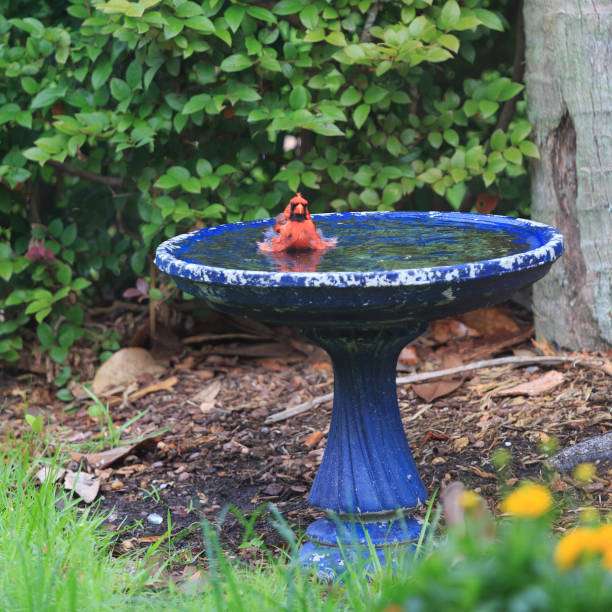
However, birds are very sensitive to color, and overly bright or reflective colors can trigger alertness, causing them to stay away from water. For example, red, yellow, or highly reflective materials may be mistaken by birds as danger signals, making them reluctant to approach.
Color selection should match the garden environment and the visual habits of birds. Natural colors such as light gray, stone, and terracotta blend more easily into the vegetation and reduce birds’ wariness.
If beginners ignore the influence of color, even a fully functional bird bath may become merely a “decoration” and fail to attract birds to use it.
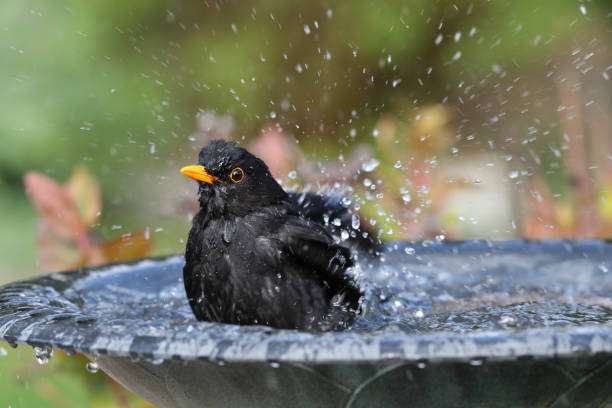
Trap 3: Inappropriate materials
The material not only affects visual aesthetics but also directly impacts bird comfort and water temperature stability.
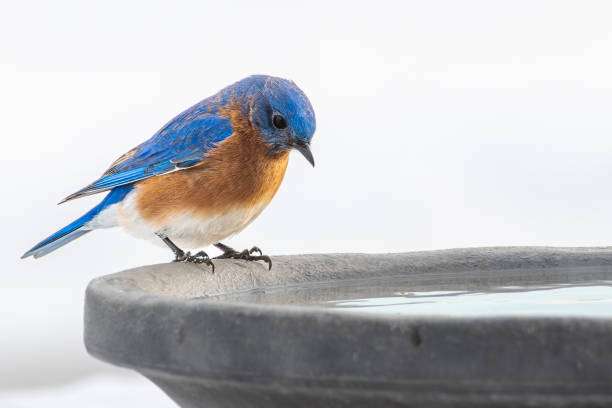
Untreated plastic and metal surfaces that are smooth or highly reflective can make them more difficult for birds to approach. Plastic bowls tend to heat up in sunlight, while metal bowls may be too cold in winter, both of which negatively affect birds’ sense of security and physiological comfort.
Professional gardeners often recommend stone, terracotta, or wood materials, which are both natural and textured. The subtle surface texture increases grip and helps birds maintain their balance.
The material also affects water quality management; deep stone basins have a high heat capacity, resulting in less water temperature fluctuation and reducing the growth of bacteria and algae. Beginners who overlook material selection may limit functionality and increase maintenance difficulty.
Trap 4: Incorrect Location and Layout
Location a bird bath is crucial to bird usage. Beginners often place bird baths in prominent garden locations, thinking that easy viewing is sufficient.
However, birds need a sense of security and a good vantage point; they prefer to be near bushes, shrubs, or sheltered areas so they can easily escape potential threats. Placing them in overly open or direct sunlight will reduce usage.
At the same time, location affects the ease of water quality management and maintenance.
Water sources are easily polluted if near soil or fallen leaves; near flower beds or high-flow areas may disturb birds. Poor placement can lead to birds avoiding the area, rapid water quality deterioration, and gardening management problems. Beginners often overlook this, resulting in even the most perfect bird bath failing to provide its intended benefits.
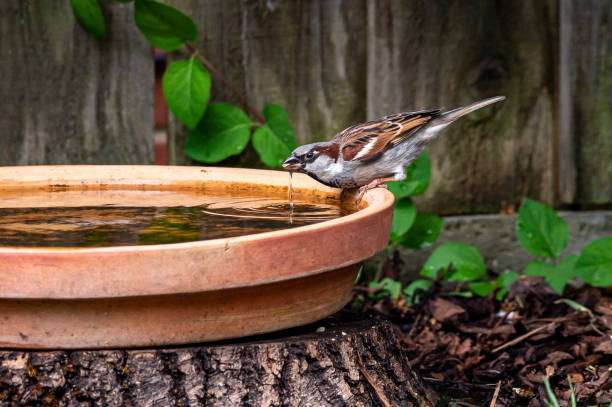
Trap Five: Ignoring Ecological Needs
The last common pitfall is neglecting the ecological needs of birds. Bird baths provide more than just water; they support birds’ thermoregulation, feather grooming, and socialization.
Beginners often prioritize aesthetics or price, overlooking capacity, depth, and safety margins. Insufficient capacity leads to competition among birds, increasing stress; poorly designed margins or inadequate depth negatively impact their sense of security and usability.
Ecological requirements also include the ability to accommodate different bird sizes and numbers. Some birds prefer to preen in groups, while others prefer to drink alone; bird bath designs must accommodate this diversity. Ignoring these needs will result in a bird bath purchased by a novice that fails to attract any birds, rendering it useless.
The combined effects of buying traps
These five traps may seem independent, but they are often interconnected in practice. Shallow basins and overly bright colors can simultaneously reduce birds’ sense of security; unsuitable materials can exacerbate water temperature fluctuations; and incorrect placement and neglecting ecological needs can cause birds to completely avoid water sources.
Beginners often focus only on single factors, such as appearance, price, or ease of cleaning, while ignoring overall ecological and psychological factors, thus failing to realize the bird bathing function.
To ensure a bird bath truly functions effectively, a comprehensive consideration of design, materials, depth, location, and ecological needs is essential.
Avoiding pitfalls requires understanding bird behavior and ecological functions, not just aesthetics or ease of use. Professional horticulturists conduct environmental analysis, bird observation, and depth calculations before purchasing to ensure the chosen bird bath is both safe and efficient.
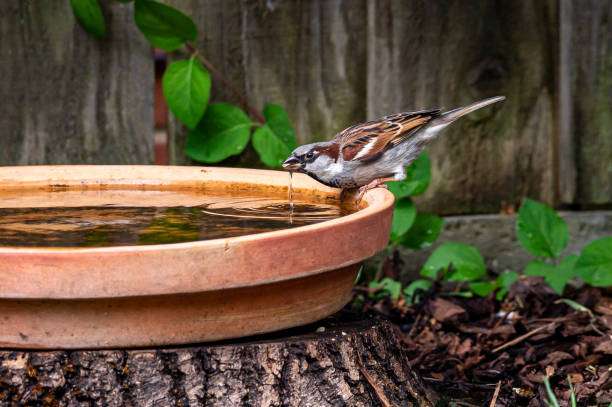
Practical purchasing advice
When avoiding these traps, choosing a bird bath that is of moderate depth, made of natural materials, with understated colors, in a safe location, and with a reasonable capacity is the safest strategy.
Observe the bird activity paths in the garden and choose a location that is close to concealment but does not obstruct the view to increase bird utilization. The material and depth design not only ensure functionality but also facilitate water quality maintenance and long-term management. The color coordinates with the overall garden style, which is both aesthetically pleasing and reduces bird wariness.
Beginners who understand bird ecology, garden layout, and water management principles before purchasing a bird bath can significantly increase its usability and ecological value.
Conversely, even the most expensive and aesthetically pleasing bird bath may become merely decorative, failing to fulfill its ecological and ornamental functions.
Conclusion: Only by avoiding pitfalls can we realize our value.
a bird bath involves much more than simply selecting a pretty water dish. Shallow basins that mislead the sense of security, inappropriate colors, unsuitable materials, incorrect placement, and neglecting ecological needs are five common pitfalls for beginners.
Understanding bird behavior and ecological functions, and making a scientific selection based on the garden environment, is crucial to ensuring the bird bath truly fulfills its ecological value. A proper selection not only improves bird health and usage rates but also makes the garden landscape more vibrant and complete.
FAQ
Do shallow basins really affect birds’ use?
Yes, shallow basins cannot meet birds’ needs for feather washing and psychological safety, and long-term use may lead to incomplete feather care and decreased utilization.
How to choose the most suitable color for bird bath?
Choose low-key, natural colors, such as light gray, stone, or terracotta, which are easier to blend into the environment and reduce birds’ wariness.
a bird bath ?
It should be close to bushes, shrubs, or sheltered areas to provide a sense of psychological security, while also considering aesthetics and water quality management, avoiding direct sunlight or sources of pollution.
Related Posts
Bird bath usage: 3 completely different needs of small birds and large birds
-
Posted by
 Marilyn Everett
Bird bird bath depth: 2 reasons why professional gardeners avoid shallow pots
-
Posted by
Marilyn Everett
3 common mistakes when choosing bird bath colors: Choosing the wrong color can scare away birds.
-
Posted by
Marilyn Everett