Bird bird bath depth: 2 reasons why professional gardeners avoid shallow pots
The Importance of Bird Bath Depth
In many garden designs and birdwatching guides, bird baths are often presented as decorative water sources; shallow and wide designs seem easier to clean and blend into the garden. However, professional gardeners and experienced birdwatchers tend to avoid shallow basins, and there are reasons for this.
Depth is not just about aesthetics; it directly impacts birds’ efficiency, psychological safety, and ecological value. Subtle differences in depth can alter how birds perceive water sources, thereby influencing their behavioral patterns and survival strategies.
Birds naturally assess the safety, depth, and availability of water sources when using them. While shallow water bowls may appear safe and easily accessible, they may not meet the birds’ needs for feather cleaning, maintaining body temperature, and hydration.
Conversely, a bird bath of appropriate depth provides birds with more complete ecological functions while reducing external disturbances and environmental stress. Therefore, the depth design of a bird bath is not only a functional choice but also reflects ecological and psychological considerations.
The Misleading Sense of Security of a Shallow Bird Bath
Many people choose shallow basins based on intuitive human visual and operational judgment: shallow water appears safe, is less likely to splash, and is easy to clean. However, for birds, the sense of security provided by shallow basins is often misleading.
Shallow water may prevent birds from fully wetting their feathers during molting, thus affecting the feathers’ waterproof and insulating properties. This incomplete molting makes it difficult for birds to regulate their body temperature after rain or in high temperatures, increasing the risk of heat stress or cold dampness.
Another issue with shallow bird baths is that birds may feel restricted when approaching. Shallow water surfaces are often wide and flat, but not deep enough, making it easy for birds to touch the bottom or edges while moving. For larger birds, or those with bushy feathers, shallow basins may not provide enough space for them to fully extend their wings and clean their feathers.
Long-term use of shallow bird baths can lead to incomplete feather grooming, which can accumulate into chronic damage, reducing flight efficiency and hunting ability.
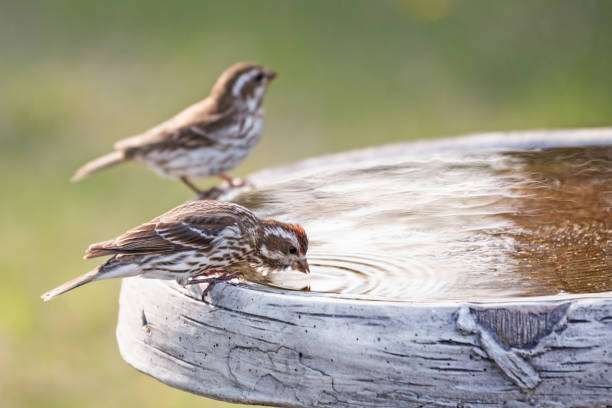
Why Professional Gardeners Avoid Shallow Pots
Professional gardeners and bird conservationists avoid shallow basins, primarily due to ecological considerations. A moderately deep bird bath not only accommodates more birds simultaneously but also provides a safer molting experience.
A deeper basin gives birds a psychological buffer while submerged, allowing them to maintain balance and psychological safety even with minor external disturbances, thus maximizing their molting and drinking functions.
Secondly, deep water basins offer significant advantages in water quality management. Shallow basins experience rapid temperature fluctuations due to direct sunlight, leading to rapid heating or evaporation and promoting bacterial and algal growth.
Deep basins, with their larger water volume and more stable temperature, maintain a cleaner environment for longer periods, providing birds with a continuous and reliable drinking and preening environment. This is a key factor for professional horticulturists in practical management: ensuring ecological function while facilitating maintenance.
The Impact of Depth on Feather Care
Feather grooming is essential for a bird’s survival. Feathers serve not only for flight but also for waterproofing, insulation, and social signaling. Washing is crucial for maintaining the integrity of feathers, requiring birds to fully immerse their feathers in water to ensure the oils are evenly distributed across the feather surface.
Shallow bird baths lack sufficient depth, restricting birds’ movement during feather washing. Feathers cannot be fully soaked, resulting in uneven oil distribution and reduced waterproofing and insulation. Birds that use shallow baths for extended periods may experience feather abrasion, heat loss, and decreased flight efficiency.
This chronic damage can directly impact foraging efficiency, the ability to evade predators, and even reduce reproductive success in the wild.
A deep bird bath provides ample space for birds to naturally stretch their wings and feathers, allowing for effective feather washing and even distribution of oils, ensuring feather health and physiological function. For gardeners, this is the primary consideration when choosing the depth of a bird bath, and it is also an important means of protecting garden ecology and bird health.
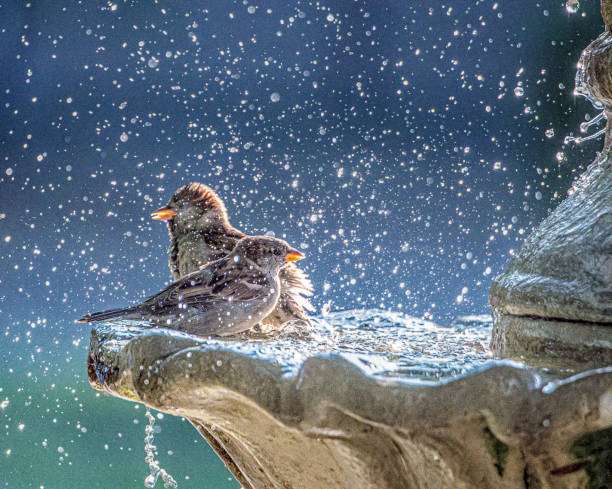
The Psychological Sense of Security of a Deep Bird Bath
When approaching water, birds assess the water’s depth, surrounding cover, and potential threats. Deep basins provide a psychological buffer, allowing birds to enter the water without complete exposure. Shallow basins, due to their shallowness, make birds feel directly exposed in an open environment, increasing their escape response and reducing water usage.
Psychological safety is crucial for birds’ daily activities. Only in a safe environment can they stay for extended periods, preen, and drink. Deep water bowls, by providing adequate depth, allow birds to maintain balance and psychological comfort, thus enabling them to utilize water more frequently and improving overall ecological efficiency.
Environmental Limitations and Hidden Risks of Shallow Basins
Shallow basins not only have functional limitations but also pose environmental risks. Shallow water easily accumulates heat, causing the water temperature to rise rapidly, especially in summer, potentially exceeding the comfortable temperature for birds and causing them to avoid water sources.
Shallow basins evaporate quickly, leading to water concentration or pollution, and accelerating the growth of bacteria and algae, increasing the risk of infection for birds. Furthermore, the limited capacity of shallow basins cannot accommodate multiple birds simultaneously, leading to increased competition and social pressure.
Deep basins offer significant advantages in terms of capacity, temperature, and water quality. Their large capacity, stable water temperature, and slow evaporation rate provide a continuous and reliable water supply. Multiple birds can use the basin simultaneously, reducing competition and stress.
Deep basins are therefore the preferred type of bird bath for professional gardeners in practice.
The Scientific Basis of Depth Selection
A bird bath depth of 5 to 10 centimeters is sufficient for most small and medium-sized birds to wash their feathers and drink water. Too shallow, and it won’t accommodate fully wet feathers; too deep, and it may be difficult for young or small birds to use.
Therefore, the depth design needs to take into account the size and number of birds, as well as the garden environment.
In practical applications, the edge of the deep water basin is usually slightly higher than that of the shallow basin, forming a buffer zone. This is often combined with a slope or textured bottom to facilitate birds’ standing and movement in and out.
This design ensures both ecological functionality and enhances their sense of security, allowing birds to make full use of the water source.
The Connection Between Depth and the Overall Ecology of the Garden
Bird bath depth affects not only individual birds but also the entire garden ecosystem. Deeper water basins attract more birds, increase garden biodiversity, and promote pollination, seed dispersal, and natural pest control.
Frequent bird use of deep water basins also drives other ecological behaviors, such as foraging and social interaction, forming a complete micro-ecosystem.
Shallow pots may restrict the range of bird activity, reduce the frequency of ecological interactions, and lead to a decrease in the number of birds in the garden and a reduction in ecological efficiency. Gardens that use shallow pots for a long time may experience insufficient bird populations, an imbalance in insect populations, and an unstable food chain.
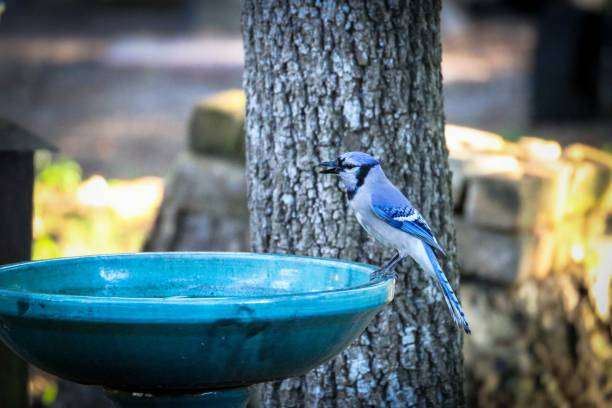
Comprehensive Considerations and Practical Suggestions
Choosing the depth of a bird bath should take into account ecological function, bird size, and garden environment. A bird bath of moderate depth, reasonable capacity, with safe edges and comfortable materials is the first choice for professional gardeners.
Depth design not only ensures feather care and psychological safety but also optimizes water quality management and ecological interaction, bringing long-term ecological benefits to the garden.
While shallow containers are easy to clean and move, their functionality is clearly limited. For gardens that prioritize ecological efficiency and bird health, shallow containers often fail to meet the needs, and long-term use may lead to inadequate feather care, increased psychological stress, and a decline in ecological value.
Professional gardeners’ experience shows that depth design is the most easily overlooked yet most important factor when choosing a bird bath. A deep water basin is not only a water source but also a key node in the ecosystem, determining bird usage, health levels, and the overall ecological function of the garden.
Conclusion: Deep Selection Determines Ecological Value
Bird bath depth may seem like a minor detail, its impact is far-reaching. Shallow basins may offer a misleading sense of security, but they fail to meet the birds’ needs for preening, drinking, and psychological comfort.
Deep basins, through scientific depth design, provide birds with complete ecological functions while supporting garden biodiversity and aesthetic value. Professional gardeners avoid shallow basins not by chance, but based on a profound understanding of ecological function and bird health. Choosing the right depth is crucial to ensuring a bird bath truly delivers its value.
FAQ
What is the ideal depth for a bird bath?
Generally, a depth of 5 to 10 centimeters is recommended. This depth is sufficient for small to medium-sized birds to wash their feathers and drink water, without making it unsuitable for young birds. The specific depth can be adjusted based on the types of birds in your garden.
Does a shallow basin really lead to incomplete feather care in birds?
Yes, a shallow basin cannot fully wet a bird’s feathers, resulting in uneven distribution of oils, which can affect waterproofing and insulation performance, and may lead to chronic feather damage in the long run.
Does a deep bird bath increase the risk of drowning for birds?
As long as the depth is moderate, the edges are safe, and a gentle slope or texture is provided for birds to grip, a deep water bath does not increase the risk of drowning. On the contrary, it increases psychological safety and usage.
Related Posts
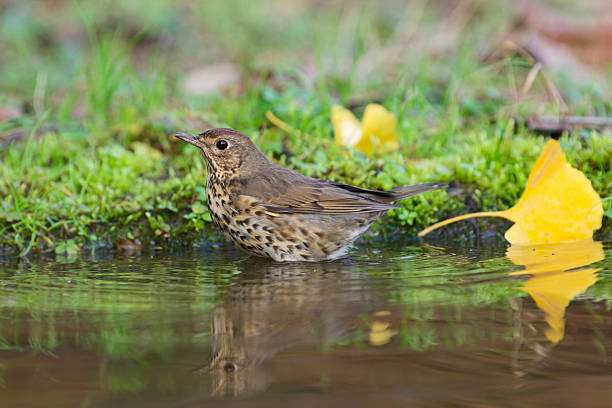
2 reasons why bird baths are placed in prime viewing positions: the truth about birds’ sense of security.
-
Posted by
 Marilyn Everett
Bird bath usage: 3 completely different needs of small birds and large birds
-
Posted by
Marilyn Everett
5 common pitfalls when buying a bird bath: almost every beginner falls into these traps.
-
Posted by
Marilyn Everett