2 reasons why bird baths are placed in prime viewing positions: the truth about birds’ sense of security.
The concept and significance of the golden line of sight
In garden design, the placement of a bird bath is far more important than many people realize. The so-called “golden view” refers to the optimal position where a bird can clearly observe its surroundings while using the water bowl, ensuring its own safety.
This location considers both the bird’s physiological and behavioral characteristics and its psychological need to perceive threats in the garden. Most households overlook this, placing the bird bath haphazardly in corners or among dense vegetation, leading to increased bird wariness and reduced usage frequency.
Birds are highly sensitive creatures, requiring constant vigilance of their surroundings while drinking and preening. If they sense a potential threat, they will immediately stop drinking or leave the water bowl. The core of the golden sightline location is creating an open and safe environment where birds can use the water bowl with peace of mind while observing their surroundings.
This placement not only increases bird bath usage but also plays a vital role in maintaining ecological interaction within the garden.
Reason 1: The sense of security brought by a wide field of vision
Birds are highly alert to potential predators, whether it’s a cat, a dog, or a bird of prey, they rely on their vision to quickly assess danger. A bird bath placed in a prime viewing position typically offers a wide field of vision, allowing birds to freely observe their surroundings.
This open field of vision enables birds to detect potential threats while drinking or preening, thus providing them with a sense of security.
In most gardens, bird baths are placed deep within bushes or in corners, seemingly providing cover, but actually limiting visibility and making birds feel restricted and stressed. Psychological research shows that the length of time birds spend using water, the completeness of their preening behavior, and the frequency of drinking are all positively correlated with the openness of their field of vision.
Bird baths placed in open locations encourage birds to stay longer, use the water more naturally, and are more willing to engage in group activities, thus enhancing the vitality of the garden ecosystem.
A sense of security not only influences a bird’s willingness to use its feathers but also affects its thermoregulation and feather grooming. Feather washing and drinking are essential behaviors for birds to maintain feather oil distribution, insulation, and flight ability.
If birds frequently feel threatened, they may reduce feather washing frequency, leading to decreased feather cleanliness and negatively impacting their health. The placement of birds in a prime line of sight provides visual security, ensuring the normal functioning of their physiological needs.
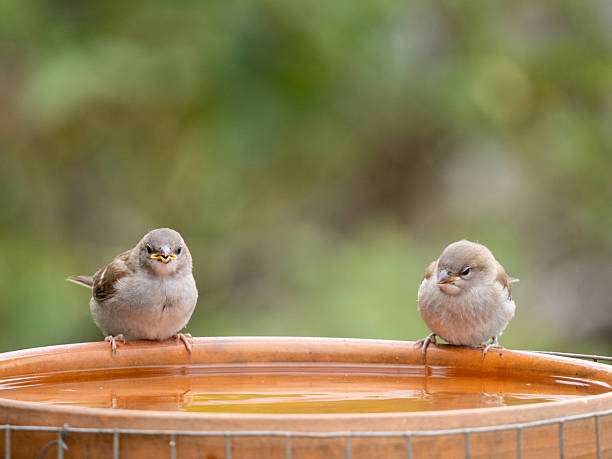
Reason 2: Escape routes and rapid response
Besides an unobstructed view, another key factor for prime locations is the clarity of escape routes. When birds use water bowls, they must be able to quickly leave the area to cope with sudden dangers.
Prime locations are usually designed in conjunction with the environment to ensure that birds have clear escape routes, whether flying to nearby branches, rooftops, or the other side of the garden, without being obstructed by obstacles.
Bird baths lack consideration for escape routes, and excessive obstacles or dense vegetation around them limit birds’ ability to react when they perceive a threat. This not only reduces their willingness to use the bird bath but also increases stress and energy expenditure.
When scientifically arranging a bird bath, designing clear escape routes and combining them with an open view allows birds to maintain a high sense of security while drinking and preening, thereby increasing usage frequency and natural behavior.
Furthermore, the design of escape routes also affects bird social behavior. When flocks of birds interact around water basins, it is common for them to monitor their surroundings and exchange information. Inconvenient escape routes can disrupt these behaviors, reducing group activity and consequently impacting garden ecological interactions, such as pollination, seed dispersal, and natural pest control.
Synergy between the golden line of sight and environmental factors
A bird bath in a scenic location not only considers the birds’ psychological needs but also needs to be coordinated with environmental factors. Sunlight, wind direction, and vegetation height and density all affect birds’ perception of their surroundings.
Under direct sunlight, the temperature of the bird bath rises, and birds may reduce their use due to the excessively high water temperature; in environments with strong winds or insufficient shade, birds may not use the water bowl due to cold or wind disturbance.
Therefore, the ideal viewing location should combine a semi-shaded area with good air circulation and moderate vegetation cover. This satisfies the birds’ needs for sight and escape while providing comfortable water temperature and microenvironment, ensuring high usage of the bird bath in both summer and winter.
Environmental optimization and location selection complement each other, ensuring that birds feel safe and comfortable when using the water bowl.
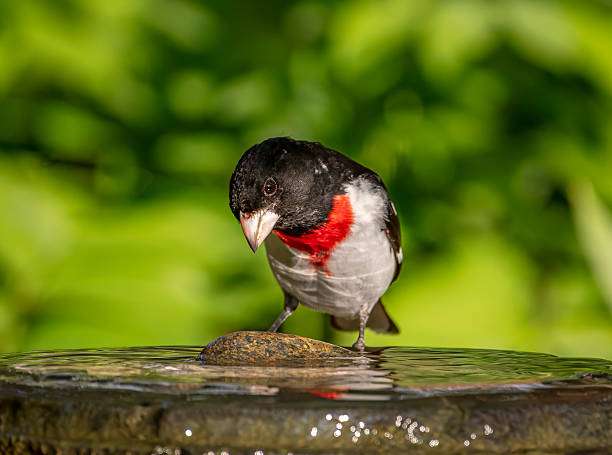
Comprehensive Strategy: Make the bird bath a focal point of the garden’s ecology
Placing the bird bath in a prime viewing location is not only about meeting the birds’ psychological needs, but also a key strategy for optimizing the garden’s ecosystem. An open view provides a sense of security, clear escape routes encourage birds to stay, and combined with environmental optimization, can increase bird bath usage.
Frequent use of the water bowl helps birds with feather grooming, thermoregulation, and overall health, while also enhancing garden ecological functions such as pollination, seed dispersal, and natural pest control.
Professional gardeners recommend that when setting up a bird bath, first observe the activity routes of birds in the garden and choose a location where birds frequently perch and where the view is open. Secondly, ensure there are no obstacles around the water basin that could hinder escape, and maintain adequate vegetation cover to provide a comfortable microenvironment.
Finally, combine the depth, material, and cleaning management of the water basin to comprehensively enhance the bird bath’s user experience. Through these integrated strategies, the bird bath becomes not only a beautiful decorative element in the garden but also a core node for ecological interaction and bird health.
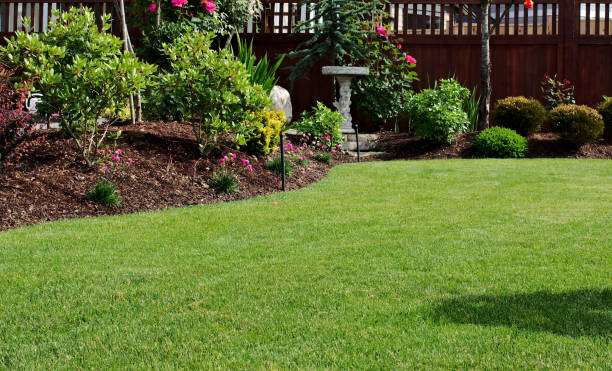
Conclusion: A sense of security is key.
A bird bath lies not only in providing water but also in creating a sense of security for birds. Placing a bird bath in a prime viewing location, with an open view and clear escape routes, allows birds to use it with peace of mind, enhancing the naturalness of their preening and drinking behaviors.
Combined with environmental optimization and proper water bowl management, this ensures bird health and maintains the vitality of the garden’s ecosystem. Understanding the psychology and behavior of birds and scientifically arranging a bird bath is a key step for every gardening enthusiast to enhance the ecological value of their garden.
FAQ
- Why do birds avoid using water bowls in corners?
Corner locations limit their field of vision and escape routes, making birds feel insecure when using water bowls, naturally reducing their stay and frequency of use. - Is the golden line of sight suitable for all birds?
Most birds prefer locations with open views and clear escape routes, especially smaller birds. Larger birds have slightly lower requirements for visibility and a sense of security, but still benefit from the golden line of sight. - How to optimize the best viewing spot by considering the environment?
Choose a location that is partially shaded, well-ventilated, and moderately shaded by vegetation, while ensuring that the water basin is of comfortable depth and material. Combine this with an escape route design to provide a safe and pleasant user experience.
Related Posts
Bird bird bath depth: 2 reasons why professional gardeners avoid shallow pots
-
Posted by
 Marilyn Everett