5 reasons why bird baths often have a persistent odor: it’s not just because the water is dirty.
Bird Bath Odor
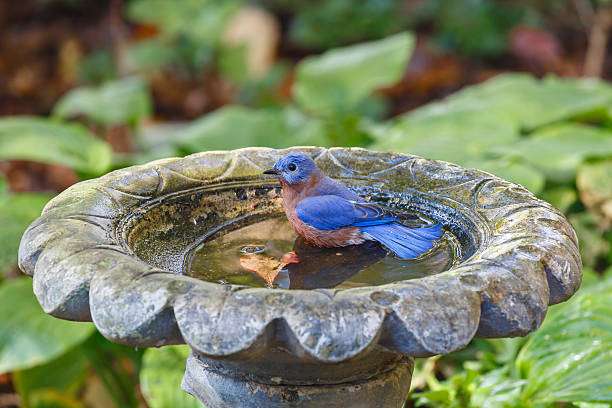
Bird baths in gardens are supposed to be refreshing ecological havens, providing birds with places to drink and preen.
However, many gardening enthusiasts find that no matter how frequently they change the water, bird baths still emit unpleasant odors, making the garden air less fresh and deterring birds from using the water source.
On the surface, the odor seems to stem from dirty water, but the reality is far more complex. The formation of the odor involves multiple factors, including water quality, materials, microorganisms, the environment, and bird behavior.
Simply changing the water daily cannot fundamentally solve the problem; a deeper understanding of the underlying causes is needed.
Truth 1: The Latent Power of Microbial Films
A thin, invisible biofilm of microorganisms, including bacteria, fungi, and algae, often forms on the surface of bird baths.
This biofilm lies dormant in the water and on the walls of the bath, multiplying rapidly with rising temperatures and sunlight exposure, releasing volatile substances that produce an unpleasant odor.
Even with daily water changes, these microorganisms remain if the bird bath walls are not thoroughly cleaned, and the odor will quickly reappear.
This biofilm not only affects odor but can also impact water quality, increasing the risk of birds contracting parasitic or bacterial diseases.
This truth reminds us that cleaning is not just about changing the water, but also about thoroughly washing and disinfecting the surface of the bird bath to remove lurking microorganisms and truly reduce odors.
The differences in the micropores on the surface of terracotta, stone, and plastic basins can also affect the rate at which microorganisms attach and the duration of odors.
Truth #2: Water Temperature Fluctuations and Metabolic Waste Release
When birds bathe or drink, they introduce trace amounts of organic matter into the water, including dander, feather fragments, and excrement residue.
This organic matter decomposes easily when the water temperature rises, releasing odorous metabolites.
High summer temperatures or direct sunlight accelerate this process; even with daily water changes, thermal expansion and contraction, along with sun exposure, cause trace amounts of residue to adhere to the container walls, continuously emitting an unpleasant odor.
Therefore, simply focusing on water quality updates is not enough; the location, material, and water temperature control of the bird bath are equally important.
Placing it in a semi-shaded or slightly shaded environment can reduce temperature fluctuations and minimize odors from the decomposition of organic matter.
At the same time, regularly cleaning the basin walls to ensure thorough removal of residue is a key measure for controlling odors.
Truth 3: Bottom Deposition and Material Reaction
Bird baths often accumulate soil, plant debris, feathers, and bird droppings at the bottom.
These deposits easily decompose and release odors in warm, humid environments.
More complexly, different bird bath materials can react chemically or physically with these organic substances, affecting the intensity of the odor.
For example, plastic basins may absorb some organic molecules, releasing a slight plastic smell over time; the micropores of terracotta or stone basins can absorb trace amounts of substances from the water, and without regular deep cleaning, they can also become a source of odor.
Professional gardeners emphasize that weekly scrubbing of the bottom and edges, combined with seasonal deep cleaning, can effectively solve odor problems caused by sediment.
Simply changing the water daily won’t prevent odors from persisting as sediment decomposes, thus discouraging birds from using the water.
Truth 4: Air Circulation and Garden Layout
The air circulation around a bird bath directly affects the accumulation and dissipation of odors.
In enclosed or slow-moving corners, the odors produced by the bird bath’s evaporation cannot dissipate in time, easily leading to odor buildup and causing discomfort to both humans and birds.
In contrast, when placed in a well-ventilated area, even if there are small amounts of organic matter in the water, the odor will be quickly diluted and difficult to detect.
In addition, the layout of garden vegetation can also affect the comfort of birds using bird baths.
While overly dense shrubs or low plants provide cover, they can also block airflow and cause odors to accumulate.
A well-planned layout should balance shelter and ventilation, ensuring that bird baths are both safe and free from lingering odors.
Truth 5: Water Sources and Replenishment Strategies
Another significant source of odor in bird baths is the water itself.
Tap water may contain chlorine, minerals, or trace amounts of organic matter.
These components can easily undergo chemical reactions when exposed to sunlight and high temperatures, releasing odors.
Especially when bird baths are used frequently, water quality issues are amplified, becoming a major factor in recurring odors.
Solutions include using filtered water, letting the water stand for a period of time to remove chlorine, or using rainwater harvesting to replenish the water supply, all to reduce potential odor-causing substances in the water source.
At the same time, pay attention to the amount of water added to the bird bath and the frequency of water changes to avoid prolonged water accumulation that accelerates odor formation.
Comprehensive Odor Management Strategy
In summary, controlling bird bath odor requires a multi-dimensional strategy.
First, daily cleaning is crucial, including changing the water daily and scrubbing the sides and bottom of the basin weekly to ensure thorough removal of microbial film, sediment, and residual organic matter.
Second, material selection and location are important.
Use absorbent or easy-to-clean materials and place the bird bath in a semi-shaded, well-ventilated area to reduce temperature fluctuations and odor buildup.
Third, water management is vital; use a stable water source to minimize the impact of chemicals and organic matter on the bird bath.
Finally, seasonal maintenance, including regular deep cleaning and disinfection, is essential to thoroughly remove latent microorganisms and sediment, keeping the bird bath fresh.
These strategies can keep bird baths clean and odor-free for longer periods, increase bird usage frequency, improve the garden’s ecological environment, and make the garden air more pleasant.
The Relationship Between Bird Behavior and Odor
Birds are very sensitive to the odor of bird baths, especially smaller birds.
Even slight changes in smell can cause birds to avoid water sources and reduce the frequency of feather washing and drinking.
Neglecting odor management in the long term can affect feather care, thermoregulation, and overall health.
Larger birds are relatively more tolerant of odors, but if the bird bath emits a persistent odor, they will also reduce its frequency of use.
By observing how long birds spend in the bird bath, their preening behavior, and their drinking habits, the severity of bird bath odor can be determined.
Combining cleaning, material selection, and water management, odor can be scientifically controlled, encouraging birds to use the bird bath more frequently, thus maintaining their health and the vitality of the garden ecosystem.
Conclusion: The Complex Mechanisms Behind Odor
The recurring odor in bird baths is far more complex than simply a matter of dirty water.
Microbial biofilm, water temperature fluctuations, bottom sediment, material reactions, air circulation, and water quality are all significant factors contributing to odor formation.
Understanding these factors helps in the scientific design, cleaning, and maintenance of bird baths, promoting a healthier and more vibrant garden ecosystem.
A comprehensive strategy is essential to ensure that bird baths truly fulfill their ecological functions, allowing birds to use them with peace of mind while simultaneously improving garden air quality and the overall viewing experience.
FAQ
- Can changing the water daily solve the odor problem in a bird bath? No, simply changing the water cannot remove the microbial film and deposits attached to the walls and bottom of the basin. Regular scrubbing and deep cleaning are required.
- Can using rainwater or filtered water reduce odors? Yes, reducing the effects of chlorine and minerals in tap water can reduce odors produced by chemical reactions, but bird baths still need to be cleaned.
- Does the choice of material affect odor? Yes, ceramic, stone, and plastic basins have different abilities to attract microorganisms and absorb organic matter. Easy-to-clean and dense materials are more conducive to controlling odor.
Related Posts
3 ways to avoid turning a bird bath into a mosquito breeding ground: 90% of people ignore this.
-
Posted by
 Marilyn Everett
3 key frequencies for proper bird bath cleaning: Doing it wrong can make your bird sick.
-
Posted by
Marilyn Everett