3 key frequencies for proper bird bath cleaning: Doing it wrong can make your bird sick.
Bird Bath Cleaning
Bird baths are an integral part of the garden ecosystem, providing birds with water and a place to preen their feathers, and directly impacting their health.
Many novice gardeners often focus only on the appearance and placement of bird baths, neglecting the importance of cleaning and maintenance. Dirty water not only reduces bird usage but can also become a breeding ground for bacteria, fungi, and parasites, leading to illness and even death in birds.
A scientifically sound cleaning frequency is crucial for ensuring the ecological function of bird baths and the health of birds.
Insufficient cleaning allows the water source to become a vector for disease transmission; excessive cleaning can disturb birds and increase their stress response. Therefore, mastering the correct cleaning frequency is a core aspect that every gardening enthusiast and bird conservationist must pay attention to.
First cleaning: The importance of changing the water source daily
bird baths can deteriorate rapidly due to weather, bird use, and environmental pollution. Especially in the high temperatures of summer, increased water temperature and faster evaporation lead to a significant increase in the growth of bacteria and algae.
If the water is not changed daily, its quality will deteriorate quickly, causing birds to drink contaminated water and increasing their risk of digestive tract infections, parasitic infections, and feather diseases.
Changing the water daily also helps maintain a stable water temperature, especially for small birds using shallow water bowls in the summer.
Large temperature fluctuations can affect their sense of security and reduce their frequency of use. Professional gardeners recommend changing the water every morning and checking the bowl for debris such as soil, fallen leaves, or bird droppings to ensure the birds have fresh, clean water to use at the start of the day.
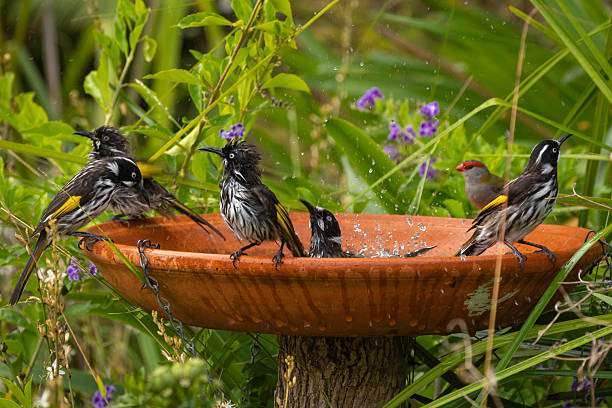
Second cleaning: Thorough cleaning and disinfection weekly.
In addition to changing the water daily, a thorough cleaning and disinfection once a week is equally important. This step aims to remove bacteria, algae, and microbial residue from the surface and bottom of the water dish.
Use warm water and a mild, non-toxic detergent to gently scrub the inside and edges of the water dish, avoiding detergents containing harsh chemicals that could leave residues that could harm the birds’ health.
After cleaning, the water basin should be thoroughly rinsed to ensure no detergent residue remains before refilling with fresh water.
This frequency helps prevent chronic damage to birds from long-term accumulation of pollutants and also helps maintain water clarity, increasing birds’ trust in the water source and their willingness to use it. For large birds, sediment at the bottom of the water basin may affect their feather washing; regular cleaning also ensures the integrity of their feather care.
Third cleaning: Seasonal deep maintenance
In addition to daily water changes and weekly cleaning, seasonal deep cleaning is essential for maintaining a healthy bird bath in the long term.
During spring and autumn, frequent temperature fluctuations and higher humidity create ideal conditions for bacteria and fungi to multiply rapidly, leading to the accumulation of microbial film and algae in the water basin. At these times, the basin needs to be removed for thorough soaking, scrubbing, and necessary natural disinfection treatment, such as rinsing with diluted white vinegar, which is both safe and effective.
In winter, when temperatures are low, the bird bath may freeze or the water level may decrease. It’s necessary to remove any standing water beforehand and check the material for any potential safety issues due to freezing or cracking.
Seasonal maintenance not only ensures water quality and hygiene but also extends the bird bath’s lifespan and prevents safety risks associated with material aging or cracking.
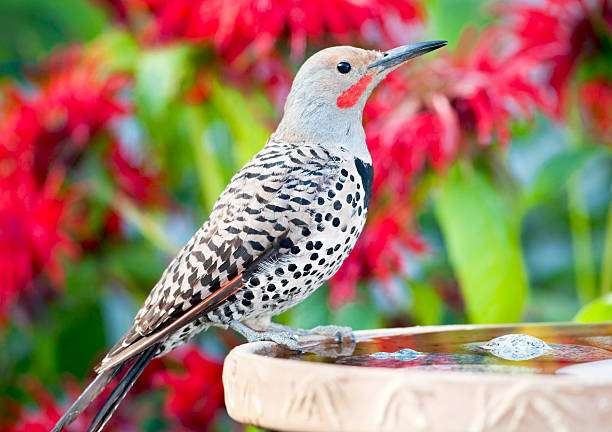
Ecological and health significance of cleaning frequency
bird baths cleaning not only affects water quality and bird health but also the stability of the garden ecosystem.
Dirty water basins easily breed mosquitoes, worms, and germs, which can be spread to other areas by birds, increasing ecological risks. Timely cleaning of water basins helps control pest populations and maintain a clean and safe garden environment.
Furthermore, water quality directly impacts bird behavior.
Fresh, clean water bowls attract more birds, increasing ecological interaction and biodiversity in the garden. Conversely, dirty water bowls deter birds, reducing garden activity and affecting ecological functions such as pollination, seed dispersal, and natural pest control.
The Influence of Material and Location on Cleaning Frequency
The material and placement of a bird bath also affect the cleaning frequency.
Materials like clay and stone have good heat retention and capacity, resulting in slower water temperature changes and extending the time it takes for the water quality to stabilize. Plastic or metal basins are more susceptible to direct sunlight, causing rapid temperature fluctuations and high evaporation rates, requiring more frequent water changes.
bird baths near trees or shrubs are prone to dropping leaves, petals, and dirt, requiring more frequent cleaning.
While open areas have less clutter, direct sunlight can raise the temperature and accelerate bacterial growth, necessitating regular water changes and cleaning of the water bowls. Professional gardeners will adjust cleaning strategies based on the materials and location to ensure the water source used by birds is always safe and reliable.
Cleaning frequency and bird behavior observation
By observing bird behavior, the cleaning frequency of bird baths can be further optimized.
When small bird groups frequently use shallow water bird baths, the water quality deteriorates rapidly, requiring daily water changes. Larger birds use the water for longer periods at a time, but with larger intervals. Weekly cleaning of deep water bird baths may be sufficient, but more frequent water changes are still necessary in high-temperature or high-frequency use conditions.
In addition, if birds exhibit behaviors such as avoiding bird baths, not preening their feathers, or drinking less water, these are usually signs of water quality problems.
Adjusting the cleaning frequency promptly not only protects the birds’ health but also maintains the vitality of the garden’s ecosystem. Professional gardeners recommend checking and cleaning water bowls more frequently during hot or rainy seasons to adapt to environmental changes and bird habits.
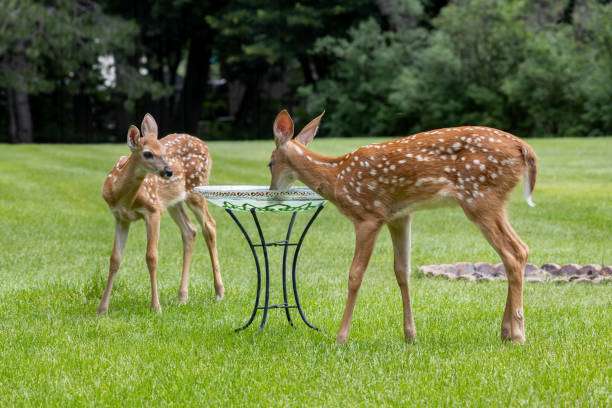
Comprehensive maintenance strategy
A scientific cleaning strategy should combine daily water changes, weekly scrubbing, and seasonal deep cleaning:
- Daily water changes ensure fresh water and reduce bacterial growth.
- Weekly scrubbing removes sediment and algae, preventing chronic health problems.
- Seasonal deep cleaning addresses long-term accumulated pollution and material aging.
By combining material selection and location planning, a complete maintenance system can ensure the long-term safe use of the bird bath, while attracting more birds and enhancing the ecological value of the garden.
Cleaning is not just a hygiene issue, but also a crucial aspect of ecological management and bird health.
Neglecting cleaning frequency can turn bird baths into potential hazards, increasing the risk of disease transmission; while scientific and regular cleaning can increase bird usage, support feather care and social behavior, and promote the healthy functioning of the garden ecosystem.
Conclusion: Frequency determines safety and ecological effectiveness
bird bath cleaning determines the safety of the water source and the health of the birds.
Changing the water daily ensures freshness, weekly scrubbing controls microbial buildup, and seasonal deep cleaning extends its lifespan and ensures long-term safety. A proper cleaning strategy not only protects birds from disease threats but also maintains garden ecological stability and biodiversity.
Mastering the correct cleaning frequency is a crucial aspect that every gardening enthusiast and bird conservationist must pay attention to.
FAQ
the bird bath need to be cleaned daily?
It doesn’t need to be completely scrubbed, but changing the water daily is essential, especially in hot and frequently used conditions, to ensure fresh water and the birds’ health.
Is it necessary to use chemical cleaners for weekly cleaning?
No, warm water and a mild, non-toxic cleaner are sufficient. Rinse thoroughly after cleaning to ensure no residue remains. Avoid using harsh chemicals to prevent harm to the birds.
When is the best time for seasonal deep maintenance?
Spring and autumn are peak seasons for microbial growth, so it’s recommended to remove the bird bath for thorough cleaning and disinfection during these times. In winter, check for standing water or frozen debris that could pose a safety hazard.
Related Posts
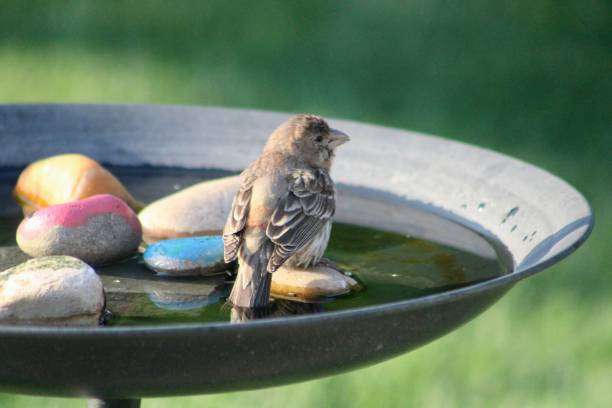
5 reasons why bird baths often have a persistent odor: it’s not just because the water is dirty.
-
Posted by
 Marilyn Everett
3 ways to avoid turning a bird bath into a mosquito breeding ground: 90% of people ignore this.
-
Posted by
Marilyn Everett
4 deadly problems with bird bathing in the summer heat happening in most gardens
-
Posted by
Marilyn Everett