Bird bath usage: 3 completely different needs of small birds and large birds
Bird baths are not only water sources, but also ecological nodes.
Bird baths in gardens are often simply viewed as decorative water sources for birds to drink or preen.
However, birds’ needs for water go far beyond that, directly impacting their feather care, thermoregulation, psychological safety, and social interaction.
More importantly, different bird sizes exhibit significant differences in their use of bird baths. Small and large birds have drastically different requirements for depth, rim design, capacity, and safety.
Ignoring these differences can lead to low water utilization rates, increased stress on birds, and reduced ecological value of the garden.
For gardening enthusiasts and bird conservationists, understanding these differences is a prerequisite for scientifically designing a bird bath.
A bird bath that only considers average needs may not meet the usage standards of birds of different sizes.
Especially in urban gardens or limited spaces, to make a bird bath a true ecological node, it is necessary to analyze the different needs of small and large birds in terms of depth, shape, and location.
First difference: Water depth and feather immersion requirements
Small birds such as finch, munia, and tit are lightweight and have relatively soft feathers, so their need for water is limited.
They can complete basic preening using a shallow basin of water.
They enjoy the sense of security that shallow water provides, allowing them to quickly flap their wings without losing their balance.
The shallow basin also facilitates their rapid escape in the event of a predator, as the shallow surface allows them to quickly fly away from danger even after their feathers have become wet.
Large birds such as pigeons, thrushes, or magpies have thick feathers and large bodies, requiring deeper water to thoroughly wet their feathers for effective oil distribution and rebuilding of the waterproof layer.
A shallow bird bath restricts the movement of large birds, resulting in incomplete feather cleaning and reduced waterproofing and insulation.
Prolonged use of shallow basins can lead to severe feather wear in large birds, decreased flight efficiency, and even increased thermoregulation stress.
Professional gardeners often recommend a bird bath depth of 8 to 10 centimeters for large birds, while smaller birds can tolerate 3 to 5 centimeters, accommodating the different feather-soaking needs of different sizes.
The second difference: Edge design and psychological security
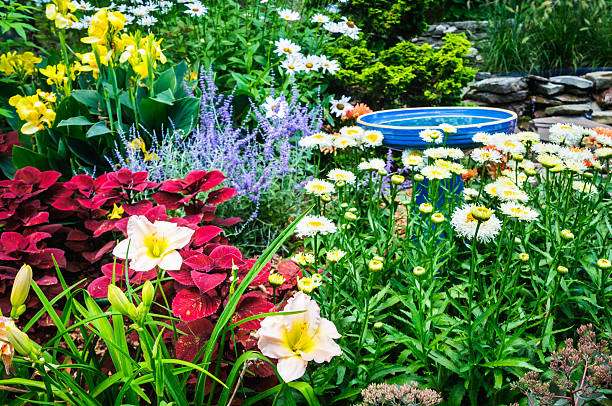
Birds are highly sensitive to edges and prefer to use shallow water basins with low edges or subtle textures, designs that make them feel safe and secure.
High edges or smooth materials can make birds feel unstable and discourage them from approaching.
When birds flutter their feathers on the water’s surface, their movements are quick and agile, requiring the psychological support of edges rather than obstacles.
Large birds have entirely different requirements for the edge of their bath.
Due to their larger size and fluffy feathers, they need a wider and sturdier edge to support their body weight during rinsing.
An edge that is too low can cause large birds to slip into the water basin, increasing stress and the risk of injury.
An edge that is too high will restrict rinsing movements and reduce the efficiency of feather grooming.
Therefore, large bird baths typically feature a stable edge design with a moderate height and a slightly rough material, ensuring the bird’s safety and comfort during rinsing while allowing for full immersion without restriction.
Third difference: Capacity and social interaction
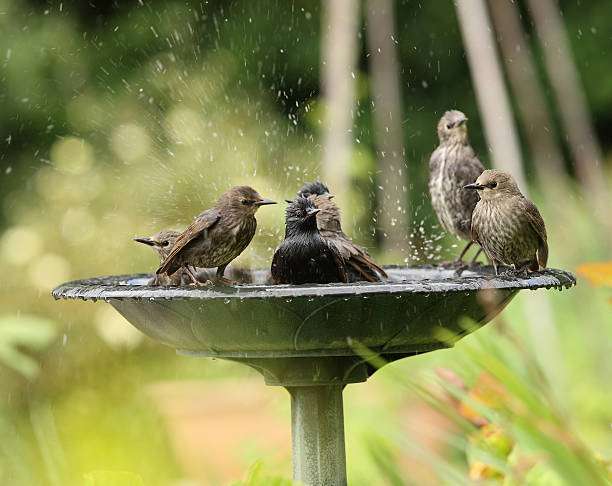
Small birds typically prefer group activities, tending to congregate near the same water source when preening and drinking, but only a limited number can use it simultaneously at any one time.
A bird bath that is too small can lead to competition for water, increasing stress levels and aggressive behavior, and affecting group interaction.
Small birds prefer shallow, wide water bowls, which allow for agility while accommodating multiple individuals without overcrowding.
Larger birds exhibit more complex social behaviors, requiring more space for grooming and drinking, with each bird needing its own dedicated area for soaking.
Bird baths that are too small can lead to competition for space among large birds, even resulting in exclusionary behavior and reduced overall utilization.
Therefore, large bird baths need to be wider and deeper to meet individual space requirements, ensuring birds can complete their full feather grooming while minimizing stress and social conflict.
The impact of different needs on location and environment
Besides differences in depth, edge, and capacity, small and large birds also exhibit significant differences in their location choices.
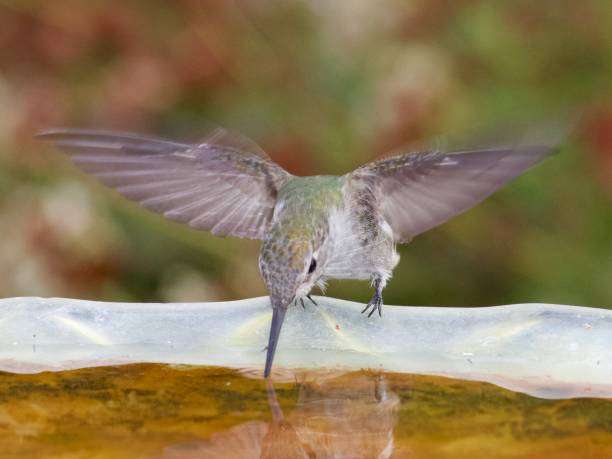
Small birds tend to prefer safe areas near shrubs or low vegetation, allowing them to easily avoid predators while drinking or preening.
Larger birds, on the other hand, prefer more open or elevated locations, as they need ample space to fully immerse themselves in water while observing their surroundings for safety.
If bird baths are uniformly placed in a single location in a garden design, certain bird species may not use them, reducing overall ecological activity.
Furthermore, smaller birds are sensitive to light; strong sunlight may cause them to avoid water sources.
Larger birds, due to their thicker feathers and larger size, can tolerate warmer water.
Understanding these behavioral differences is crucial for scientifically selecting locations, using plants for shading, and adjusting the height of water bowls.
Consideration of material and temperature differences
a bird bath should also be adjusted according to the bird’s size and the specific needs of the bird.
Small birds prefer terracotta or stone basins with a moderate temperature and a natural feel; the micro-textured surface increases grip and helps them stay stable when splashing.
Larger birds require sturdy stone or thick terracotta basins with high heat capacity and stability to prevent them from sliding or tipping over due to their weight during molting.
The material also affects water temperature and evaporation rate.
Small and large birds have different tolerances to water temperature, so the choice of material directly affects the user’s comfort and health safety.
The Influence of Seasonal and Behavioral Differences
Seasonal changes also exacerbate the differences in bird bathing needs between small and large birds.
In winter, small birds tend to choose shallow water sources near shelter to maintain body temperature and drink quickly.
Larger birds may use deep basins for thorough immersion in winter to maintain the waterproof and insulating properties of their feathers.
In the heat of summer, small birds need shallow, wide basins to quickly splash water and cool down, while larger birds rely on deep basins for full-body immersion to regulate body temperature and keep their feathers moist.
Therefore, in garden management throughout the year, choosing a variety of bird bath combinations with different depths, capacities, and materials can meet the behavioral needs of birds of different sizes and enhance the ecological vitality of the garden.
Comprehensive design recommendations
To meet the vastly different needs of small and large birds, garden design should consider diverse arrangements:
- Shallow, wide water bowls are suitable for small birds, providing space for group activities and a sense of security.
- Deep, stable water bowls are suitable for large birds, ensuring feather care and thermoregulation.
- In terms of location, small birds should be placed near shrubs and low vegetation, while large birds prefer open or elevated locations.
- Materials should balance grip comfort, heat capacity, and stability to ensure safe use by the birds.
- The capacity and edging design should be tailored to the bird’s size, ensuring each bird has independent space and a sense of security.
By understanding differences in body size, behavioral characteristics, and ecological needs, bird baths can be scientifically designed to achieve coexistence between small and large birds, while simultaneously enhancing the ecological value and aesthetic appeal of the garden.
Combinations of bird baths of various types and depths are a key strategy in modern garden ecological design, maximizing the attraction of diverse bird species while maintaining water quality and ecosystem stability.
Conclusion: Understanding differences determines the effectiveness of use.
a bird bath is far more than simply providing a bowl of water.
Small and large birds differ significantly in their needs for depth, edging, capacity, and psychological safety.
Ignoring these differences will drastically reduce bird bath usage and hinder its ecological function.
A scientific understanding of the behavior and needs of birds of different sizes is crucial for ensuring the vitality of the garden ecosystem and the health of the birds.
Through the rational design of depth, materials, location, and capacity, a bird bath can truly become an effective link between birds and the garden ecosystem, achieving multiple goals of aesthetics, ecology, and psychological safety.
FAQ
Can small and large birds share the same bird bath?
Yes, but you should choose a multi-functional design with moderate depth, sturdy edges, and sufficient capacity. You should also arrange combinations of different depths and sizes in the garden to meet the needs of birds of different sizes.
What kind of birds are suitable for shallow water basins?
Shallow water basins are more suitable for small birds, such as finches, munias, and tits, as they can flexibly wash their feathers in shallow water and feel more secure.
Are there any safety risks associated with using deep water bowls for large birds?
As long as the edges are sturdy, the material is robust, and the bowl is of appropriate capacity, deep water bowls do not increase the risk. On the contrary, they provide psychological security and enough space for feather grooming.
Related Posts
3 hidden values of bird bath observation with children: Children understand things faster than adults.
-
Posted by
 Marilyn Everett
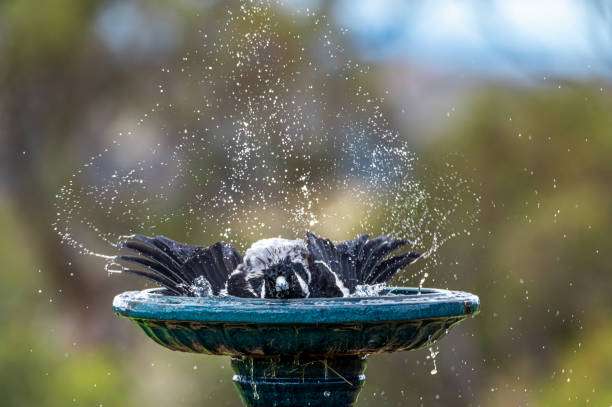
5 common pitfalls when buying a bird bath: almost every beginner falls into these traps.
-
Posted by
Marilyn Everett
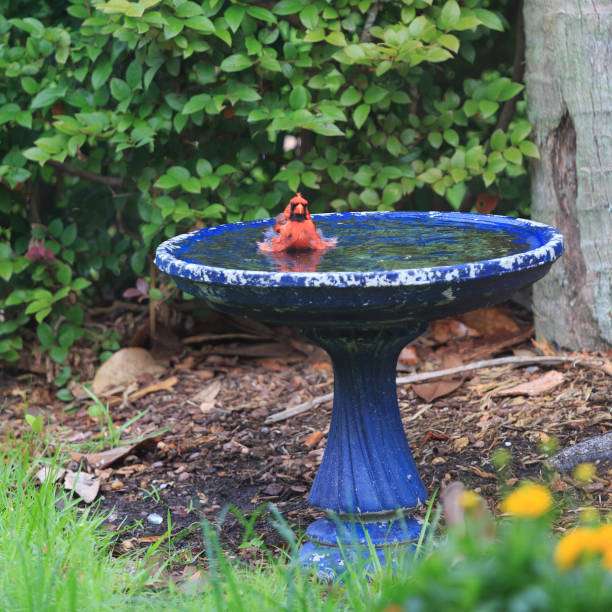
Bird bird bath depth: 2 reasons why professional gardeners avoid shallow pots
-
Posted by
Marilyn Everett
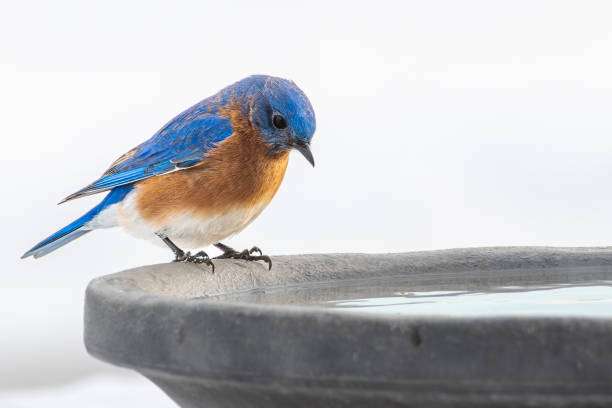
3 common mistakes when choosing bird bath colors: Choosing the wrong color can scare away birds.
-
Posted by
Marilyn Everett