3 key functions of a bird bath: How a simple design can save more birds
Birds bath in the city are not as “adapted” as we imagine.
Many people assume that bird bath have fully adapted to city life. They perch on streetlights, nest under eaves, and wake the entire street with their calls at dawn.
Such images easily create the illusion that the city has become a new natural environment for birds. But if we zoom out and look at the daily survival trajectory of a bird, the truth becomes much harsher.
Cities are not an upgraded version of nature, but rather highly artificial spaces that are extremely unfriendly to non-human life. Hardened surfaces sever the soil system, drainage systems quickly wash away rainwater, and high temperatures are repeatedly superimposed between concrete and glass.
Birds can still exist not because cities are friendly to them, but because they are constantly pushing their adaptive limits.
Of all the compromised conditions for survival, the lack of water resources is the most easily overlooked yet most fatal. While food can be obtained through garbage, green belts, or human feeding, safe, accessible, and stable water sources have become extremely scarce in cities.
It is against this backdrop that an extremely simple design begins to reveal its ecological value far exceeding expectations.
Bird baths are not decorations or “bird lovers’ hobbies,” but rather miniature ecological facilities that can directly alter the survival probability of birds.
The seemingly simple design actually provides a precise response to the survival dilemmas of birds.
From the outside, a bird bath has almost no complex structure. It’s a shallow, stable container, slightly above the ground, filled with clean water, and placed quietly in a corner.
Because of this simplicity, it is often underestimated and considered “dispensable.” But if you consider the physical structure and behavioral habits of birds, as well as the limitations of the urban environment, this design almost perfectly addresses their needs.
Birds are not adept at staying in deep water. They need shallow areas where they can stand and take off at any time; excessively deep water directly increases the risk of drowning.
At the same time, birds are extremely sensitive to their surroundings, and any space where they cannot escape quickly is seen as a potential trap. The shallow depth and open structure of a bird bath provide these highly alert creatures with the lowest possible risk.
More importantly, this simple design provides a repeatable and memorable safety experience. Once a bird has successfully used a water source without encountering a threat, it will include that location in its activity path. For urban birds, this memory is equivalent to gaining a reliable anchor point for survival in a chaotic environment.
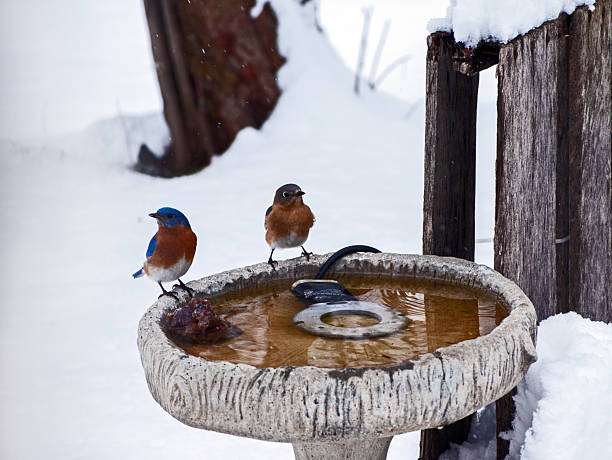
Key function 1: Stabilizing water supply directly reduces the risk of death
In the wild, water sources tend to be distributed continuously, while in urban environments, the opposite is true.
Water doesn’t disappear, but it becomes hidden, sealed off, or rendered unusable. Condensate from high-rise air conditioning units, underground drains, and deep water feature pools are not water sources that birds can safely utilize.
a bird bath is that it transforms the “presence of water” into the “availability of water.” This is not a semantic difference, but a difference between life and death.
Dehydration rapidly impacts a bird’s metabolic rate. In a dehydrated state, birds experience decreased thermoregulation, reduced flight efficiency, and slower reaction times.
In urban environments with high predator density and frequent human activity, this often means an inability to escape in time. Especially during hot seasons, birds require frequent rehydration to maintain normal physiological functions; any long-distance flight in search of water increases the risk of heatstroke and exhaustion.
A well-located bird bath with a continuous supply of fresh water can significantly reduce the distance birds have to travel to find water.
This reduction in distance is not a matter of convenience, but rather a direct decrease in the time birds are exposed to hazardous environments. Every unnecessary long-distance flight could mean an accidental death that never happened.
Water is not just for drinking, but is part of the physiological system.
Many people simply understand the function of water as quenching thirst, but for birds, water is an essential component of their entire physiological system.
Feathers are not merely a covering, but a highly sophisticated structural system. They need to remain clean and flexible to form an effective air layer, achieving insulation, waterproofing, and efficient flight.
In urban environments, air pollution, oil particles, and dust constantly adhere to the surface of feathers. Without a stable water source for washing, this pollution damages feather structure, causing birds to expend more energy to maintain body temperature in cold or hot conditions.
This extra energy expenditure directly reduces the resources needed for foraging, breeding, and guarding.
Bird baths provide more than just drinking water; they are essential facilities for maintaining normal bodily functions. From this perspective, they are closer to a basic life support system than an additional benefit.
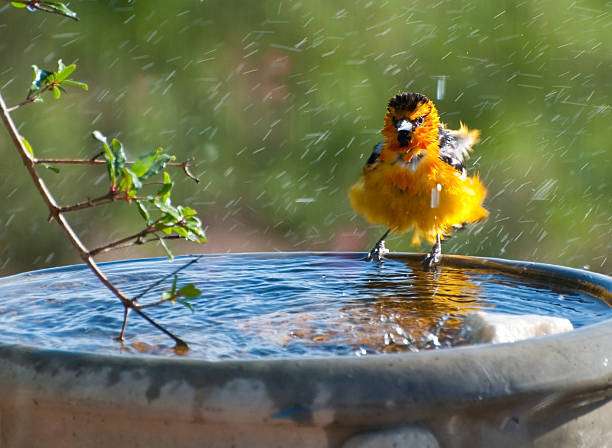
Key function two: Providing invisible support during the breeding season
If a stable water supply is already significant enough for adult birds, this importance is amplified during the breeding season.
The breeding season is the most energy-intensive and stressful period in a bird’s life. Adult birds not only need to maintain their own well-being but also frequently travel to and from the nest to feed the chicks and clean the nest environment.
Under such high stress, any additional energy expenditure will affect breeding success. Water sources far from the nesting area mean that adult birds need to fly more and be exposed to more risks.
Conversely, bird baths near the activity area allow adult birds to quickly replenish water and clean themselves before returning to the nest.
More importantly, good physical condition is directly related to the quality of chick rearing. Adult birds with clean feathers and stable body temperature are better able to protect chicks from the effects of temperature changes.
This effect may not be obvious, but it determines whether the chicks can successfully survive the most vulnerable early stages of their lives.
In the long run, bird bathing indirectly enhances the stability of urban bird populations by increasing the success rate of individual breeding. This stability is not about population explosion, but about reducing the loss of individuals who “could have survived but didn’t.”
Key Function Three: Creating “Recoverable” Safe Nodes in the City
One of the most prominent characteristics of the urban environment is its constant high stress. Noise, light pollution, human activity, and predator density combine to leave birds with virtually no real resting space. Even in parks or green spaces, birds need to remain highly alert at all times.
a bird bath is that it creates a brief but real recovery window for birds. This window does not mean absolute safety, but rather a space that has been repeatedly verified and whose risks are relatively controllable.
When birds bathe or drink in their familiar bird bath , they can briefly lower their alertness and focus on maintaining their health.
This state is crucial for long-term survival. Sustained high pressure weakens the immune system, making birds more susceptible to disease, while periodic periods of low pressure help maintain overall health.
From a behavioral perspective, these recovery nodes will gradually be incorporated into birds’ daily routes, becoming key connections in the urban survival network.
The more such nodes exist, the more flexible birds’ activities in the city will be, and the stronger their ability to cope with sudden disturbances will be.
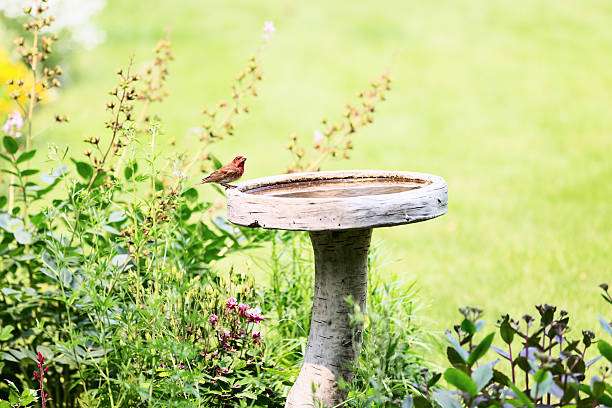
Why has this effect been underestimated for so long?
bird bathing has long been overlooked not because it is ineffective, but because its effect is too quiet. It does not significantly increase bird populations in a short period of time, nor does it create a grand ecological spectacle.
Its contribution lies in the “non-occurring” event.
- No individual collapsed from dehydration,
- no flight was lost due to damaged feathers, and
- no decision was made to abandon raising chicks due to exhaustion during the breeding season.
These results, though not recorded in themselves, accumulate over time, changing the overall fate of urban birds.
Humans are accustomed to assigning value to visible and quantifiable results, but often overlook the fundamental and continuous support. The stability of an ecosystem, however, depends precisely on these inconspicuous details.
A simple design, the urban ecological inspiration behind it
When we re-understand the three key functions of bird bathing, we are actually re-understanding the relationship between cities and nature.
Cities don’t need to completely revert to a primitive state to make room for other life. Often, all it takes is providing support that meets real needs in key locations.
Bird baths remind us that ecological improvement is not always a large-scale project, but rather consists of countless small, continuous interventions.
When these interventions form a network in cities, they produce systemic effects that go beyond individual points of impact.
Perhaps the real question isn’t “what can a bird bath do?”, but whether we’re willing to take these seemingly insignificant designs seriously.
Conclusion: It wasn’t just the birds that were saved.
Bird baths, by stabilizing water sources, supporting breeding, and providing recovery spaces, quietly improve the survival rate of urban birds. This improvement is understated yet real and continuous.
As more and more of these miniature support facilities appear in cities, the relationship between humans and nature is undergoing subtle but profound changes.
What was saved was not just individual birds, but also the possibility of cities serving as shared spaces for multiple species.
FAQ
bird baths really play such a significant role in urban environments? While the effect of
a single bird bath is limited, it can indeed reduce mortality risk and improve population stability over long-term scales when it provides individuals with a stable water source and recovery space.
placing a bird bath attract unwanted animals or cause hygiene problems?
As long as the water is changed regularly and the place is kept clean, the hygiene risks of a bird bath are manageable and can actually reduce the likelihood of birds using unsafe water sources.
If you could only choose one way to care for your birds, would
a bird bath be a priority?
In many urban environments, safe and stable water sources are often scarcer than food, so a bird bath is a low-investment, long-term, and stable option.
Related Posts
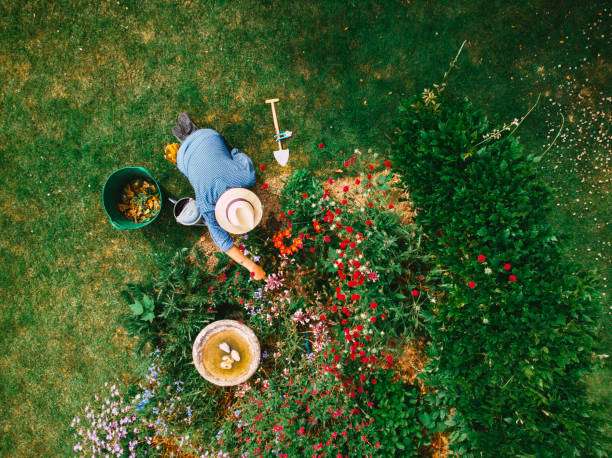
5 key relationships between bird baths and feather care: Not washing feathers with water equals chronic damage.
-
Posted by
 Marilyn Everett
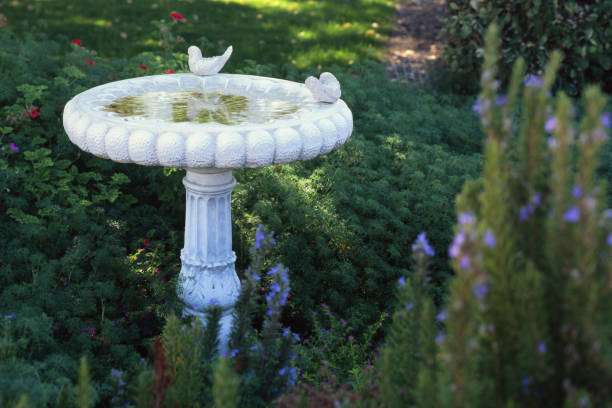
Bird Bath: 4 Cooling Mechanisms: How Birds Survive Heatwaves
-
Posted by
Marilyn Everett
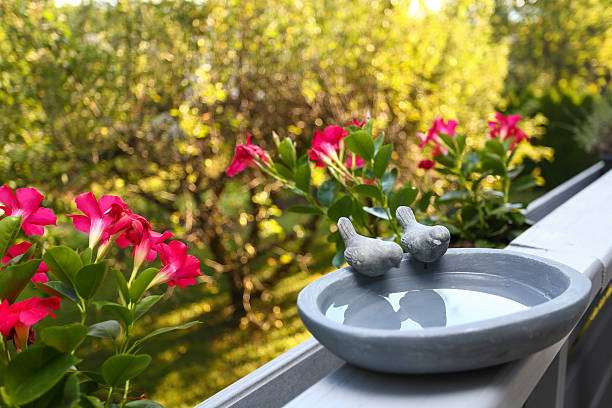
Bird baths: An underestimated value – how they quietly improve urban bird survival rates
-
Posted by
Marilyn Everett